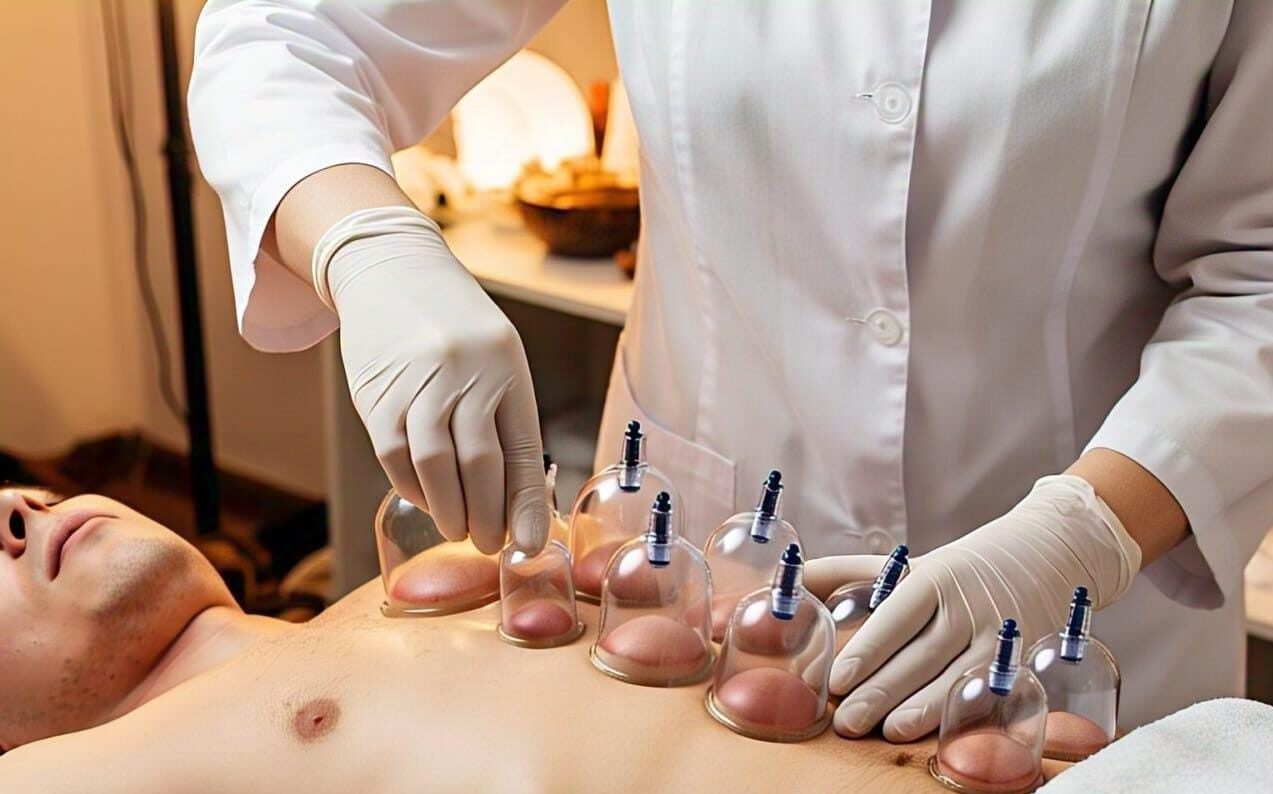
If you’ve ever searched for cupping therapy or hijama, you might have noticed the two terms often used interchangeably. While they share similarities, there are clear and important differences between them that can affect your choice of treatment.
At Serene Hijama & Ruqya, we often meet clients who aren’t sure whether they should book hijama or cupping therapy. The truth is, understanding the difference hijama cupping can help you choose the method that aligns best with your health goals — and, for Muslims, with the Sunnah.
In this blog, we’ll explore the 5 key differences between hijama and cupping therapy, so you can make an informed decision that benefits your body, mind, and soul.
1. Origin & Historical Background
Hijama is deeply rooted in Islamic tradition, recommended by the Prophet Muhammad ﷺ as a healing practice. It falls under prophetic medicine, which also includes other natural remedies like honey and black seed.
Hadith: “The best of remedies you have is Hijama.” (Bukhari & Muslim)
Cupping therapy, on the other hand, dates back thousands of years and has been practiced in many cultures — notably in Traditional Chinese Medicine (TCM), ancient Egypt, and Greece. While both share the concept of suction, hijama specifically refers to wet cupping in accordance with Sunnah.
Key takeaway:
Hijama = Islamic origin, Sunnah-based wet cupping.
Cupping therapy = broader cultural origins, may be dry or wet.
2. Technique: Wet vs Dry Cupping
The most important difference is the technique used.
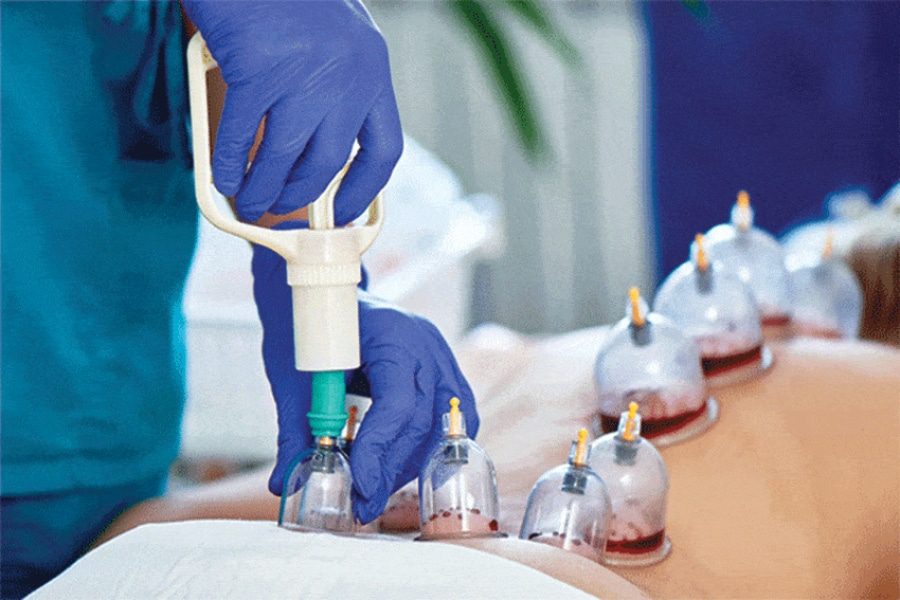
Hijama involves wet cupping, where small incisions are made on the skin after suction to draw out stagnant blood and toxins.
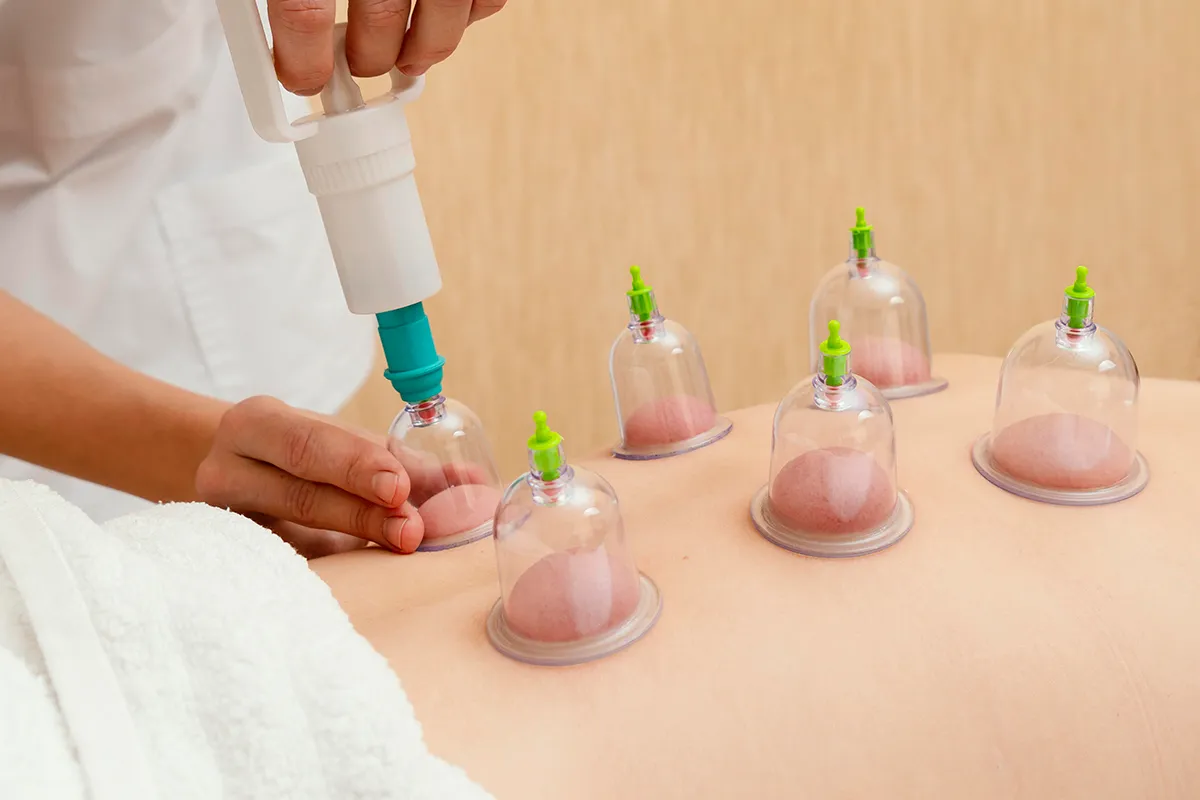
Dry cupping (common in TCM and sports therapy) uses suction only — no incisions, no blood extraction.
Why it matters:
Hijama aims to remove harmful substances from the body, while dry cupping primarily works by stimulating blood flow and easing muscle tension.
3. Purpose & Spiritual Intent
Hijama is both a physical and spiritual treatment. Muslims often perform it not only for its health benefits but also to revive a Sunnah and gain blessings.
Cupping therapy (in non-Islamic contexts) is generally performed for physical benefits like:
Pain relief
Muscle recovery
Relaxation
Key difference:
Hijama integrates spiritual healing and aligns with religious practice, while cupping therapy is usually a secular treatment.
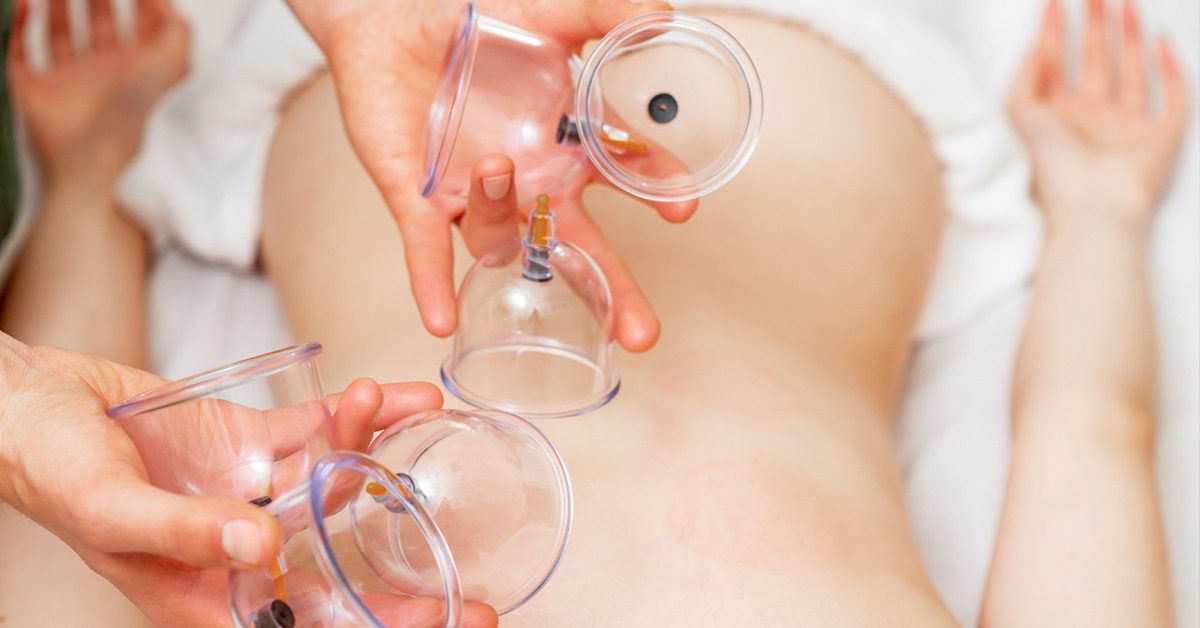
4. Practitioner Requirements & Ethics
In Sunnah-based hijama, the practitioner must follow Islamic guidelines, which include:
Using sterile equipment for each patient.
Maintaining gender privacy (men treat men, women treat women).
Performing the procedure with the intention of healing through Allah’s will.
In general cupping therapy, requirements vary. In some countries, cupping can be performed by:
Licensed acupuncturists
Sports therapists
Alternative medicine practitioners
While hygiene is important in all cases, hijama’s ethical guidelines are rooted in both medical safety and Islamic values.
5. Benefits & Healing Outcomes
Both hijama and cupping therapy offer benefits — but the scope differs.
Hijama benefits:
Detoxification by removing stagnant blood
Immune system boost
Relief from headaches, back pain, and joint issues
Spiritual benefits (protection from sihr, evil eye, etc.)
Dry cupping benefits:
Improved circulation
Faster muscle recovery
Pain reduction in sports injuries
Relaxation and stress relief
Conclusion: Choosing the Right Therapy for You
When deciding between hijama vs cupping therapy, consider:
Your health goals
Your preference for wet or dry technique
Your spiritual intentions
For Muslims, hijama offers the unique benefit of fulfilling a Sunnah while promoting holistic healing. At Serene Hijama & Ruqya, we specialize in authentic, Sunnah-compliant hijama with complete privacy for men and women.
FAQs – Hijama vs Cupping Therapy
Q1: Is hijama more effective than dry cupping?
Hijama can be more effective for detoxification because it removes stagnant blood, while dry cupping is better for muscle relaxation.
Q2: Can non-Muslims benefit from hijama?
Yes, the physical benefits apply to everyone, though Muslims may have added spiritual intentions.
Q3: Does hijama hurt more than dry cupping?
Hijama involves small incisions, so there may be mild discomfort, but it’s generally well-tolerated.
Q4: Which is safer — hijama or cupping?
Both are safe when performed by trained practitioners using sterile equipment.
Q5: Can I combine hijama and dry cupping?
Yes, some treatments use both techniques depending on the patient’s needs.