Before & After: What Really Happens During Your First Hijama Session
Serving Canada & the GTA — Serene Hijama & Ruqya proudly serves the Canadian Muslim community coast to coast. Through our in-person clinic in the GTA and our online consultation services, we make authentic Islamic healing accessible to all Canadians.
Canada’s Muslim population has grown to over 1.7 million, with increasing demand for holistic healing services that honour both Islamic tradition and Canadian healthcare standards.
Understanding the hijama cupping process in Canada helps eliminate anxiety and ensures you’re fully prepared for this transformative healing experience. This comprehensive guide takes you through every step of your first hijama session, from initial consultation to post-treatment care, providing complete transparency about what to expect.
Many first-time patients feel nervous about hijama therapy due to misconceptions or lack of information about the actual process. By knowing exactly what happens during each phase of treatment, you can approach your session with confidence and maximize the therapeutic benefits of this ancient Islamic healing practice.
Pre-Session Consultation and Health Assessment
Step 1: Comprehensive Health History Review
Your certified practitioner begins with a detailed discussion of your medical history, current medications, health concerns, and treatment goals. This thorough assessment ensures hijama therapy is appropriate for your specific situation and helps customize the treatment approach.
The hijama cupping process starts well before the actual treatment, with qualified practitioners in Canada following strict assessment protocols to ensure patient safety and treatment effectiveness. This initial consultation typically takes 15-20 minutes and covers all aspects of your health status.
Practitioners ask about previous experiences with alternative therapies, current stress levels, sleep patterns, and lifestyle factors that might influence treatment outcomes. This holistic assessment helps develop personalized treatment plans that address your unique needs and circumstances.
Professional hijama clinics also discuss religious considerations, ensuring the treatment aligns with your Islamic values and addressing any spiritual concerns you might have about the healing process. This culturally sensitive approach helps create a comfortable, respectful treatment environment.
Detailed Step-by-Step Hijama Session Breakdown
Preparation Phase: Setting the Sacred Space
Minutes 0-10: Room Preparation and Spiritual Readiness
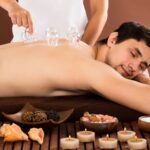
The treatment room is prepared with sterile equipment, appropriate lighting, and a peaceful atmosphere. Practitioners often begin with Islamic prayers and create a spiritually conducive environment for healing.
Professional hijama practitioners in Canada maintain sterile environments comparable to medical facilities, using single-use disposable equipment and following strict hygiene protocols. The treatment space is designed to promote relaxation while ensuring complete safety throughout the process.
Patients are provided with modest gowns or draping that respects Islamic modesty requirements while allowing access to treatment areas. The practitioner explains each step before proceeding, ensuring you feel comfortable and informed throughout the entire process.
Assessment Phase: Identifying Treatment Points
Minutes 10-20: Physical Assessment and Point Selection
The practitioner examines your skin, identifies optimal cupping locations based on your health concerns, and explains why specific points have been selected for treatment.
Experienced practitioners use traditional Islamic healing knowledge combined with anatomical understanding to select the most effective treatment points. This selection process considers your specific health concerns, energy patterns, and areas of tension or stagnation.
The practitioner explains the significance of each selected point, helping you understand how the treatment will address your particular health challenges. This educational approach enhances treatment effectiveness by increasing patient understanding and cooperation.
Treatment Phase: The Actual Hijama Process
Step 2: Skin Preparation and Sterilization
The treatment area is thoroughly cleaned and sterilized using medical-grade antiseptic solutions. This careful preparation prevents infection and ensures the highest safety standards throughout the hijama cupping process.
Step 3: Initial Dry Cupping Application
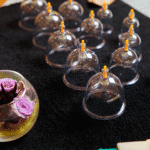
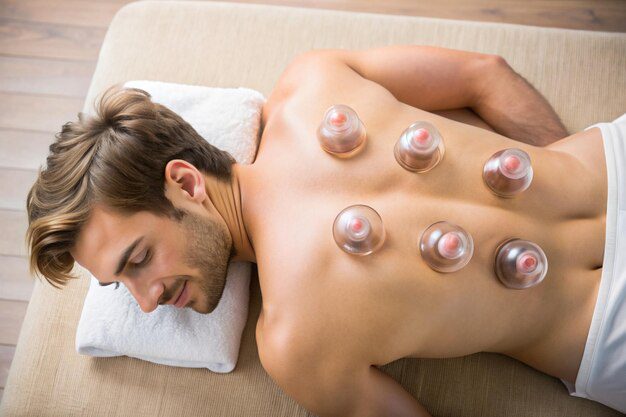
Sterile glass or plastic cups are placed on selected points using suction to draw blood to the surface. This preliminary step typically lasts 3-5 minutes and helps prepare the tissue for the wet cupping phase.
Step 4: Controlled Micro-Incisions
After removing the cups, the practitioner makes small, shallow incisions using sterile surgical blades. These precisely controlled cuts are minimal and designed to allow therapeutic blood removal without causing unnecessary discomfort.
Step 5: Wet Cupping Blood Extraction
Cups are reapplied to draw out stagnant blood, toxins, and metabolic waste through the micro-incisions. This phase typically lasts 10-15 minutes and represents the core therapeutic component of hijama treatment.
During the wet cupping phase, patients often experience a unique sensation as stagnant blood and toxins are drawn from their tissues. Most describe this feeling as surprisingly comfortable, with some experiencing immediate relief from tension and pain in treated areas.
The amount of blood extracted varies depending on individual health status, treatment goals, and practitioner assessment. Experienced practitioners monitor the process carefully, adjusting suction levels and treatment duration to optimize therapeutic outcomes while ensuring patient comfort.
Understanding What the Cupping Marks Really Mean
The circular marks left after hijama treatment provide valuable diagnostic information about your health status and treatment effectiveness. These marks are not bruises but rather indicators of the therapeutic process and your body’s response to treatment.
Dark, intense marks typically indicate areas with significant stagnation, toxin accumulation, or circulation problems that benefited from the therapeutic blood removal. Lighter marks suggest better circulation and less stagnation in those tissue areas.
Professional practitioners in Canada interpret these marks to assess treatment effectiveness and plan future sessions. The mark patterns often correlate with patients’ reported symptoms and health concerns, validating the diagnostic accuracy of traditional hijama point selection.
| Mark Color | What It Indicates | Typical Duration | Health Implication |
|---|---|---|---|
| Deep Purple/Black | Severe stagnation and toxins | 7-10 days | Significant therapeutic benefit achieved |
| Dark Red | Moderate circulation issues | 5-7 days | Good treatment response |
| Light Pink/Red | Minor stagnation | 3-5 days | Healthy circulation maintained |
| Minimal Marking | Excellent circulation | 1-3 days | Preventive treatment effective |
Immediate vs Long-Term Results from Hijama Treatment
What You’ll Feel Immediately After Treatment
“Within minutes of finishing my first hijama session, I felt incredibly light and energized. The chronic shoulder pain I’d experienced for months was significantly reduced, and I felt a sense of spiritual cleansing that’s hard to describe.” – Fatima, Toronto patient
Most patients report immediate sensations following their first hijama session, including increased energy, reduced pain in treated areas, improved mood, and a general sense of well-being. These immediate effects result from improved circulation and the removal of stagnant blood and toxins.
Some patients experience mild lightheadedness or fatigue immediately after treatment as their body adjusts to the circulatory changes. These temporary reactions are normal and typically resolve within a few hours of completing the session.
Long-Term Benefits That Develop Over Time
The hijama cupping process initiates healing responses that continue developing for weeks following treatment. Patients often notice continued improvement in their initial health concerns, enhanced sleep quality, better stress management, and increased overall vitality.
Long-term benefits include sustained pain relief, improved immune system function, better hormonal balance, enhanced mental clarity, and increased spiritual well-being. These lasting effects demonstrate hijama’s ability to address root causes of health problems rather than just symptoms.
“Three weeks after my hijama treatment, my chronic migraines completely disappeared. My energy levels have remained high, and I feel more balanced emotionally and spiritually than I have in years.” – Omar, Calgary patient
Essential Post-Session Care Instructions
First 24 Hours: Critical Care Period
Keep cupping sites clean and dry, avoid strenuous exercise, shower with lukewarm water only, and stay well-hydrated to support the detoxification process initiated by treatment.
Proper post-treatment care significantly influences the effectiveness of your hijama session and helps prevent complications. Canadian practitioners provide detailed aftercare instructions tailored to your specific treatment and individual needs.
The first 48 hours following treatment are crucial for optimal healing and maximum therapeutic benefit. During this period, your body continues processing the detoxification initiated during the hijama session, making proper self-care essential for successful outcomes.
Daily Care Routine for Cupping Sites
Clean the treated areas gently with mild soap and water, pat dry with clean towels, and apply any prescribed topical treatments as directed by your practitioner. Avoid harsh scrubbing or irritating the healing skin during the recovery period.
Monitor the cupping sites for signs of proper healing, including gradual fading of marks, absence of increased redness or swelling, and normal skin sensation returning to treated areas. Contact your practitioner if you notice any unusual symptoms or concerns.
Common Reactions and When to Contact Your Practitioner
Understanding normal post-treatment reactions helps you distinguish between expected healing responses and situations requiring professional attention. Most reactions following hijama are mild and temporary, resolving naturally as your body adjusts to treatment.
Normal reactions include temporary fatigue, mild soreness at cupping sites, increased urination as toxins are eliminated, temporary mood fluctuations as energy rebalances, and vivid dreams as spiritual cleansing occurs.
Contact Your Practitioner If You Experience:
Signs of infection (increased redness, warmth, pus), severe pain or discomfort, persistent nausea or dizziness, allergic reactions, or any symptoms that concern you during recovery.
Real Patient Testimonials with Treatment Outcomes
“I was skeptical about hijama, but desperate for relief from chronic back pain. The process was much gentler than I expected, and I experienced significant pain reduction within days. Six months later, I’m still pain-free and have more energy than I’ve had in years.” – Ahmad, Vancouver patient
“As a healthcare worker, I appreciated the sterile techniques and professional approach. My anxiety and stress levels decreased dramatically after hijama treatment, and I’ve been able to reduce my anxiety medication under my doctor’s supervision.” – Khadija, Ottawa patient
Patient testimonials consistently highlight the professional, safe, and effective nature of hijama treatment when performed by qualified practitioners in Canada. These real experiences help first-time patients understand what to expect and build confidence in the treatment process.
Frequently Asked Questions About First Hijama Sessions
How painful is the hijama cupping process compared to other medical procedures?
Most patients describe hijama as much less painful than expected, comparing it to a pinprick sensation during incisions and gentle pulling during cupping. The discomfort is typically minimal and brief, with many patients finding the process relaxing overall.
How long will the cupping marks last and can I cover them?
Cupping marks typically fade within 5-10 days depending on individual healing rates and mark intensity. You can cover them with clothing for work or social situations, but avoid tight-fitting garments that might irritate the healing skin.
When will I see results from my first hijama treatment?
Many patients notice immediate improvements in energy and pain levels, while others see gradual benefits over 1-2 weeks. The timeline varies based on individual health status, treatment goals, and adherence to post-care instructions.
Can I return to normal activities immediately after hijama treatment?
You can resume most normal activities within 24 hours, but avoid strenuous exercise, swimming, or activities that cause excessive sweating for 48 hours to allow proper healing and maximize treatment benefits.
How often should I schedule hijama sessions for optimal health benefits?
Treatment frequency depends on individual health goals and practitioner recommendations. Many patients start with monthly sessions, then adjust based on results and health improvements. Maintenance sessions are often scheduled every 3-4 months.
The hijama cupping process represents a powerful intersection of traditional Islamic healing wisdom and modern safety standards, providing Canadians with access to authentic spiritual therapy. Research databases like Google Scholar contain extensive documentation of cupping therapy benefits, supporting the scientific foundation of this ancient practice.
As more Canadians discover the transformative potential of hijama therapy, qualified practitioners continue advancing safety standards and treatment protocols to ensure optimal patient outcomes while honoring traditional Islamic healing principles.
Experience Hijama Safely with Canada’s Most Qualified Practitioners
Ready to discover the transformative power of authentic hijama therapy? Our certified practitioners combine traditional Islamic healing wisdom with modern safety standards to provide you with the highest quality care and optimal treatment outcomes.
Book your comprehensive hijama consultation today and take the first step toward natural healing and wellness. Our experienced team will guide you through every step of the process with professionalism, compassion, and expertise.
Schedule through our Online Appointment System or call (647) 551-6608 to begin your hijama healing journey with confidence and peace of mind.
Related Cupping Resources
- Islamic Cupping Therapy: 9 Powerful Benefits
- Islamic Cupping: 8 Sunnah Benefits for Muslims
- Muslim Cupping: 10 Reasons Canadians Choose Hijama
- Cupping Therapy vs Hijama: 5 Key Differences
- 5 Key Differences Between Hijama and Cupping
- How Athletes Use Cupping Therapy
About the Author: This article was written and reviewed by the clinical team at Serene Hijama & Ruqya, certified practitioners with years of hands-on experience in Hijama cupping therapy, authentic Ruqya (Islamic spiritual healing), and Islamic psychotherapy. Our team combines traditional Prophetic medicine with modern wellness practices, serving the Canada community from our GTA clinic.
Last reviewed: May 2026 | Medical disclaimer: This content is for informational purposes and does not replace professional medical advice.