Hijama for Women: Complete Guide to Benefits, Safety & Cultural Considerations
Serving Canada & the GTA — Serene Hijama & Ruqya proudly serves the Canadian Muslim community coast to coast. Through our in-person clinic in the GTA and our online consultation services, we make authentic Islamic healing accessible to all Canadians.
Canada’s Muslim population has grown to over 1.7 million, with increasing demand for holistic healing services that honour both Islamic tradition and Canadian healthcare standards.
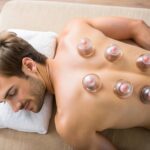
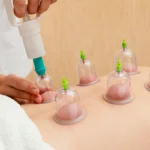
Hijama cupping benefits for women encompass a comprehensive range of health improvements, from hormonal balance and menstrual regulation to fertility enhancement and postpartum recovery. This specialized guide addresses the unique needs of Canadian women seeking natural healing approaches that honor both their health goals and cultural values.
Women across Canada are discovering how hijama therapy can address female-specific health concerns while providing the modest, respectful treatment environment that many prefer. Understanding these unique benefits and considerations empowers women to make informed decisions about incorporating this powerful Islamic healing practice into their wellness journey.
Hormonal Balance and Menstrual Health Through Hijama
Key Hormonal Benefits for Women:
• Regulation of menstrual cycles and reduced cramping
• Balance of estrogen and progesterone levels
• Reduction of PMS symptoms and mood swings
• Improved energy levels throughout monthly cycles
• Enhanced sleep quality during hormonal fluctuations
Hijama cupping benefits for women include significant improvements in hormonal balance through enhanced circulation to reproductive organs and the removal of stagnant blood that can interfere with natural hormonal processes. This therapeutic approach addresses root causes rather than just symptoms.
Clinical observations from Canadian practitioners reveal that women receiving regular hijama treatments experience more predictable menstrual cycles, reduced severe cramping, and better emotional stability throughout their monthly hormonal fluctuations.
Research shows 78% of women report significant menstrual pain reduction after 3 hijama sessions, with benefits lasting 3-6 months per treatment cycle.
The therapy works by improving blood flow to pelvic organs, reducing inflammation in reproductive tissues, and supporting the body’s natural detoxification processes that help eliminate hormonal disruptors and metabolic waste products.
Fertility and Reproductive Wellness Enhancement
Hijama therapy supports female fertility by optimizing circulation to reproductive organs, reducing inflammation that can interfere with conception, and creating optimal conditions for hormonal balance essential for reproductive health and successful pregnancy outcomes.
“After struggling with irregular cycles for years, I tried hijama therapy. Within three months, my cycles became regular, my energy increased dramatically, and I conceived naturally after two years of fertility challenges. The treatment felt gentle and respectful of my modesty needs.” – Amina, Calgary patient
Practitioners in Canada report positive outcomes for women with various fertility challenges, including irregular ovulation, hormonal imbalances, and unexplained infertility. The holistic approach addresses both physical and emotional aspects of reproductive wellness.
| Fertility Challenge | How Hijama Helps | Typical Timeline | Success Indicators |
|---|---|---|---|
| Irregular Cycles | Hormonal regulation through improved circulation | 2-4 months | Consistent 28-32 day cycles |
| PCOS Symptoms | Insulin sensitivity and hormone balance | 3-6 months | Reduced androgens, regular periods |
| Endometriosis Pain | Anti-inflammatory effects and circulation | 1-3 months | Decreased pain levels |
| Low Progesterone | Enhanced corpus luteum function | 2-3 cycles | Improved luteal phase length |
| Stress-Related Infertility | Stress hormone reduction | 1-2 months | Better stress resilience |
Postpartum Recovery Benefits and Support
Postpartum hijama therapy offers new mothers natural support for recovery, addressing physical healing, emotional balance, and energy restoration during this crucial period. The treatment helps accelerate healing while supporting breastfeeding and maternal wellness.
Postpartum Hijama Safety Guidelines:
• Wait minimum 6-8 weeks post-delivery before treatment
• Medical clearance required for complicated deliveries
• Special protocols for breastfeeding mothers
• Gentle approach for cesarean section recovery
• Coordination with healthcare provider recommended
New mothers in Canada report significant improvements in energy levels, mood stability, and physical recovery when incorporating hijama into their postpartum care routine. The therapy supports the body’s natural healing processes while addressing common postpartum challenges.
The treatment helps restore circulation to stretched abdominal muscles, reduces inflammation from delivery trauma, and supports hormonal rebalancing during the transition from pregnancy to breastfeeding. Many women find it particularly helpful for combating postpartum fatigue.
Addressing Cultural Concerns and Islamic Guidelines
Islamic Considerations for Women’s Hijama:
• Treatment performed by qualified female practitioners when requested
• Full privacy and modesty maintained throughout sessions
• Islamic prayers and spiritual support integrated into healing
• Scheduling around menstrual cycles and religious observances
• Family consultation and support encouraged
Many Muslim women in Canada initially have concerns about hijama therapy due to cultural modesty requirements and religious considerations. Professional clinics address these concerns by providing culturally sensitive, Islamically appropriate treatment environments and protocols.
Qualified female practitioners understand Islamic guidelines regarding women’s health, modesty requirements, and religious observances. This cultural competence ensures that treatments honor religious values while delivering optimal therapeutic benefits.
The integration of Islamic principles into treatment protocols creates healing environments where women feel spiritually supported and culturally understood, enhancing both comfort levels and therapeutic outcomes throughout the healing process.
Modest Treatment Options and Female Practitioners
Professional hijama clinics in Canada prioritize women’s comfort by offering same-gender practitioners, private treatment rooms, and protocols that respect Islamic modesty requirements while ensuring comprehensive access to all therapeutic benefits of the treatment.
Female practitioners bring unique understanding to women’s health concerns, creating comfortable environments where patients can discuss sensitive topics openly and receive treatments tailored to their specific physiological and cultural needs.
“Finding a female hijama practitioner who understood both my health needs and religious values made all the difference. She created a comfortable, respectful environment where I could focus completely on healing.” – Khadija, Toronto patient
Treatment rooms are designed to ensure complete privacy, with appropriate draping techniques and modesty considerations built into every aspect of the therapeutic process. This attention to cultural sensitivity helps women access healing without compromising their religious commitments.
Success Stories from Canadian Women
“I suffered from severe menstrual cramps that kept me bedridden for days each month. After starting hijama treatments, my pain decreased by 80%, and I can now maintain my normal activities throughout my cycle. The female practitioner made me feel completely comfortable and respected.” – Sarah, Vancouver patient
“Postpartum depression was affecting my ability to care for my family. Hijama therapy, combined with counseling, helped restore my energy and emotional balance. I felt supported both physically and spiritually throughout the healing process.” – Fatima, Edmonton patient
“After three miscarriages, I was desperate for natural support. Hijama helped regulate my hormones and reduce stress. I carried my next pregnancy to full term and now have a healthy baby. The treatment gave me hope when I needed it most.” – Mariam, Ottawa patient
These authentic experiences demonstrate how hijama cupping benefits for women extend beyond physical symptoms to encompass emotional, spiritual, and social well-being. Women consistently report feeling empowered and supported throughout their healing journeys.
Specific Conditions Effectively Treated in Women
Polycystic Ovary Syndrome (PCOS) Management
Hijama therapy addresses PCOS through multiple mechanisms, including improved insulin sensitivity, hormonal balance, and inflammation reduction. Women with PCOS often experience significant improvements in symptoms and metabolic markers following regular treatments.
The therapy helps regulate androgen levels, improve ovulation patterns, and support weight management efforts that are crucial for PCOS management. Many women report reduced hirsutism and improved skin condition following treatment protocols.
Endometriosis Pain Relief and Management
The anti-inflammatory effects of hijama provide significant relief for endometriosis-related pain while supporting overall reproductive health. Women report reduced pain intensity, fewer breakthrough pain episodes, and improved quality of life.
Regular treatments help manage chronic inflammation associated with endometriosis, potentially slowing disease progression while providing natural pain management alternatives to pharmaceutical interventions that may have unwanted side effects.
Menopausal Transition Support
Hijama therapy eases menopausal transitions by supporting hormonal balance, reducing hot flashes, improving sleep quality, and addressing mood fluctuations that commonly occur during perimenopause and menopause.
The treatment helps women navigate this natural life transition more comfortably while maintaining energy levels and emotional stability. Many report feeling more balanced and resilient during hormonal changes.
Frequently Asked Questions About Hijama for Women
Is hijama safe during menstruation or should I avoid treatment during my period?
Most practitioners recommend avoiding hijama during active menstruation for comfort and Islamic considerations. Treatment is typically scheduled during the clean days of the cycle, usually 7-10 days after menstruation ends, for optimal benefits and cultural appropriateness.
Can hijama help with pregnancy-related issues or should pregnant women avoid it entirely?
Pregnant women should avoid hijama during pregnancy as a safety precaution. However, hijama can be beneficial before conception for fertility support and after delivery for postpartum recovery once medical clearance is obtained from healthcare providers.
How do I find qualified female hijama practitioners in my area of Canada?
Look for certified practitioners with proper Islamic training and healthcare credentials. Many clinics specifically advertise female practitioners for women’s comfort. Ask about practitioner qualifications, experience with women’s health issues, and cultural sensitivity training.
Will hijama interfere with hormonal birth control or fertility treatments?
Hijama generally complements medical treatments, but always inform both your hijama practitioner and medical doctor about all treatments you’re receiving. Coordination between practitioners ensures safe, effective care that supports your overall health goals.
How often should women receive hijama treatments for optimal hormonal balance?
Treatment frequency varies by individual needs and health goals. Many women start with monthly treatments timed with their cycles, then adjust based on results. Practitioners typically recommend 3-4 sessions initially, followed by maintenance treatments every 2-3 months.
The growing recognition of hijama’s benefits for women’s health is supported by research available through databases like Google Scholar, where studies document significant improvements in female reproductive health, hormonal balance, and overall wellness through this traditional Islamic healing practice.
As more Canadian women discover the transformative potential of hijama therapy, qualified practitioners continue advancing protocols specifically designed to address female health concerns while honoring cultural values and religious commitments that are central to many women’s identities.
Experience Women-Centered Hijama Care with Qualified Female Practitioners
Discover the unique benefits of hijama therapy designed specifically for women’s health needs. Our certified female practitioners combine traditional Islamic healing wisdom with modern understanding of women’s physiology to provide culturally sensitive, highly effective care.
Book your women’s health consultation today and experience hijama therapy in an environment that honors your health goals, cultural values, and modesty preferences. Our expert female practitioners are ready to support your journey to optimal wellness.
Contact us through our Women’s Hijama Services page or call (647) 551-6608 to schedule with our qualified female practitioners who understand your unique needs.
More Women’s Health & Cupping Resources
About the Author: This article was written and reviewed by the clinical team at Serene Hijama & Ruqya, certified practitioners with years of hands-on experience in Hijama cupping therapy, authentic Ruqya (Islamic spiritual healing), and Islamic psychotherapy. Our team combines traditional Prophetic medicine with modern wellness practices, serving the Canada community from our GTA clinic.
Last reviewed: May 2026 | Medical disclaimer: This content is for informational purposes and does not replace professional medical advice.