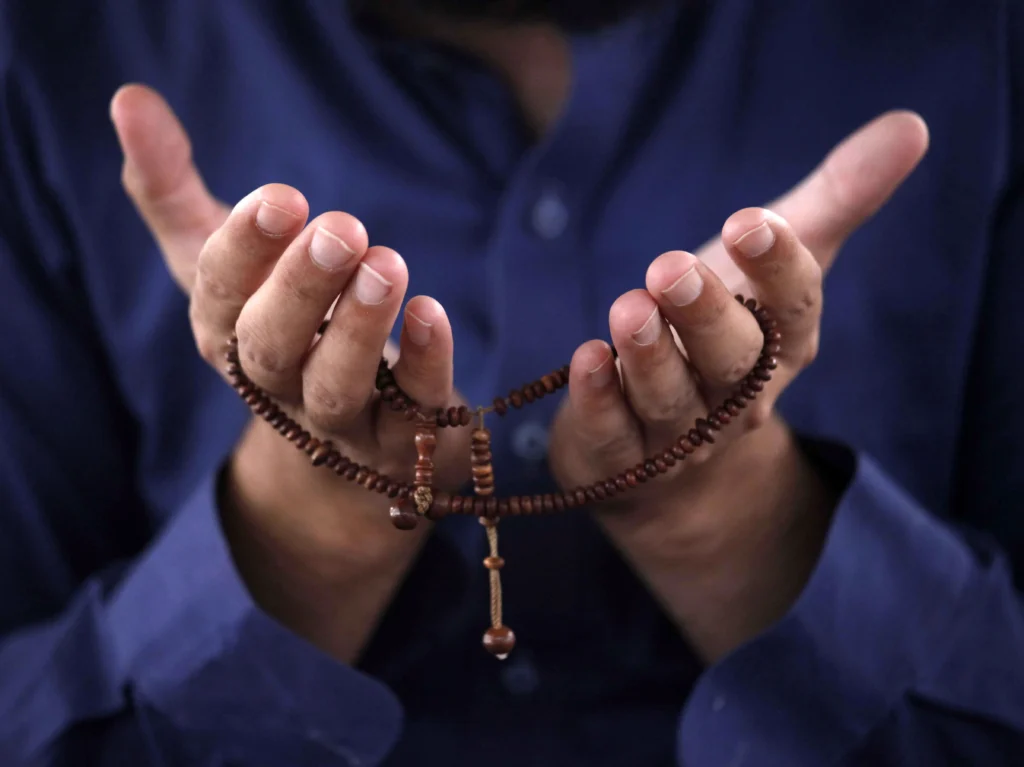

Mental Health in the Muslim Community: Breaking Stigma Through Islamic Healing
Serving Canada & the GTA — Serene Hijama & Ruqya proudly serves the Canadian Muslim community coast to coast. Through our in-person clinic in the GTA and our online consultation services, we make authentic Islamic healing accessible to all Canadians.
Canada’s Muslim population has grown to over 1.7 million, with increasing demand for holistic healing services that honour both Islamic tradition and Canadian healthcare standards.
Muslim mental health in Canada faces unique challenges as community members navigate between traditional healing approaches and modern psychiatric care while confronting persistent stigma that prevents many from seeking necessary help. This comprehensive exploration addresses these barriers while highlighting how Islamic healing methods can reduce stigma and improve access to culturally appropriate mental health support.
The intersection of faith, culture, and mental wellness creates complex dynamics within Canadian Muslim communities, where religious beliefs can either support or complicate the help-seeking process. Understanding these nuances is essential for developing effective strategies that honor Islamic values while promoting psychological well-being and community support systems.
Mental Health Statistics in Canadian Muslim Communities
Concerning Mental Health Data for Canadian Muslims:
• 34% of Muslim Canadians report experiencing depression or anxiety symptoms
• Only 18% seek professional mental health treatment when needed
• 67% cite religious concerns as barriers to conventional therapy
• 45% experience discrimination in healthcare settings
• 29% report family pressure to avoid mental health discussions
Recent research reveals that Muslim mental health challenges in Canada often go unaddressed due to complex cultural, religious, and systemic factors. These statistics highlight the urgent need for culturally competent mental health approaches that resonate with Islamic values and community expectations.
The disparity between mental health needs and treatment utilization suggests that conventional mental health services may not adequately address the spiritual and cultural dimensions that are central to many Muslims’ understanding of wellness and healing.
Contributing Factors to Mental Health Challenges:
Immigration stress and cultural adaptation pressures create unique psychological burdens for many Canadian Muslims. Additional factors include discrimination experiences, economic challenges, family separation, and the pressure to maintain religious identity while integrating into mainstream Canadian society.
Common Cultural Barriers to Mental Health Treatment
Religious Misconceptions About Mental Health
Many Muslims mistakenly believe that strong faith should prevent mental health problems, leading to shame and self-blame when psychological issues arise. This misconception prevents early intervention and creates additional emotional burden for those already struggling.
Cultural attitudes toward mental illness within some Muslim communities can perpetuate harmful stigma, with mental health challenges sometimes viewed as spiritual weakness, lack of faith, or divine punishment rather than medical conditions requiring professional treatment.
Harmful Myth
“If you have enough faith and pray regularly, you won’t experience depression or anxiety. Mental illness means your relationship with Allah is weak.”
Islamic Reality
“Mental health challenges can affect anyone, including the most faithful believers. Seeking help is a form of using the resources Allah has provided, and treatment can strengthen one’s spiritual journey.”
Family and Community Pressure Dynamics
Muslim mental health discussions often involve complex family dynamics where individual struggles are viewed as reflecting on the entire family’s reputation within the community. This collective approach to identity can create immense pressure to conceal mental health challenges.
Parents may fear that acknowledging their child’s mental health needs could affect marriage prospects, community standing, or professional opportunities, leading to delayed treatment and increased suffering for the individual needing support.
Gender-Specific Barriers
Muslim women face additional challenges including limited access to female mental health providers, concerns about discussing personal issues with male therapists, and cultural expectations that prioritize family needs over individual mental health care.
How Islamic Healing Approaches Reduce Mental Health Stigma
Islamic healing methods offer pathways to mental wellness that align with religious values, making treatment more acceptable within Muslim communities while addressing the spiritual dimensions of psychological distress that conventional therapy may overlook.
Stigma Reduction Through Faith Integration:
• Frames healing within Islamic spiritual context
• Uses familiar religious language and concepts
• Incorporates community and family support systems
• Addresses both spiritual and psychological needs
• Reduces shame by honoring cultural values
Ruqya therapy and other Islamic healing approaches normalize help-seeking behavior by presenting mental health treatment as a religious obligation to care for the body and soul that Allah has entrusted to each individual.
When mental health treatment is framed as following prophetic guidance to seek healing and using the resources Allah has provided, community resistance decreases significantly, and family support for treatment often increases.
Community Acceptance of Faith-Based Mental Health Care
Islamic healing approaches gain community acceptance because they operate within familiar religious frameworks while addressing mental health concerns through culturally appropriate methodologies that honor Islamic principles and community values.
“When my family learned I was receiving ruqya therapy for my anxiety, they were supportive because it aligned with our religious beliefs. This opened conversations about mental health that we never could have had if I’d chosen secular therapy alone.” – Amina, Toronto community member
Success Stories from the Canadian Muslim Community
“After years of hiding my depression from my family, I found a Muslim therapist who integrated Islamic principles into treatment. My family became my biggest supporters when they saw how my faith was strengthening alongside my mental health recovery.” – Omar, Calgary resident
“Our mosque started mental health awareness programs that explained how seeking treatment aligns with Islamic teachings. This changed our community’s entire attitude toward psychological care, and many members began accessing the help they needed.” – Fatima, community organizer in Ottawa
These authentic experiences demonstrate how Muslim mental health outcomes improve when treatment approaches honor cultural values while providing evidence-based psychological interventions that address the full spectrum of human wellness needs.
| Before Islamic Integration | After Faith-Based Approach | Community Impact |
|---|---|---|
| Treatment avoided due to religious concerns | Therapy embraced as religious obligation | Increased help-seeking behavior |
| Family opposition to mental health care | Family support for integrated treatment | Stronger support systems |
| Shame and isolation with mental illness | Community understanding and acceptance | Reduced stigma overall |
| Cultural disconnect in therapy | Culturally congruent healing approach | Better treatment outcomes |
| Spiritual struggles increase psychological distress | Faith becomes source of healing strength | Holistic wellness achieved |
Resources for Muslim Families Seeking Mental Health Support
National Muslim Mental Health Resources:
• Islamic Society of North America (ISNA) Mental Health Directory
• Muslim Family Services organizations across Canada
• Naseeha Mental Health helpline for Muslim youth
• Islamic Social Services Association (ISSA) resources
• Local mosque counseling and support programs
Canadian Muslim families can access increasingly comprehensive mental health resources that understand their cultural and religious contexts while providing professional, evidence-based psychological care that honors Islamic principles and community values.
Finding Culturally Competent Mental Health Providers
Muslim mental health care requires practitioners who understand Islamic principles, cultural nuances, and the complex relationship between faith and psychological wellness. This cultural competence significantly improves treatment outcomes and patient satisfaction.
Questions to Ask Potential Mental Health Providers:
• Do you have experience working with Muslim patients?
• How do you integrate religious beliefs into treatment?
• Are you familiar with Islamic principles regarding mental health?
• Can you accommodate religious practices during therapy?
• Do you understand cultural factors affecting Muslim mental health?
Integration with Canada’s Healthcare System
Progressive healthcare systems increasingly recognize the importance of culturally competent mental health care that addresses the diverse needs of Canada’s multicultural population, including specialized approaches for Muslim communities.
Healthcare providers are receiving training in cultural competency that includes understanding how religious beliefs influence mental health treatment preferences, helping them provide more effective care for Muslim patients seeking psychological support.
Advocacy for Muslim Mental Health Needs:
Community organizations across Canada work to educate healthcare systems about Muslim mental health needs, advocate for culturally competent services, and bridge gaps between conventional mental health care and Islamic healing approaches.
Building Supportive Muslim Mental Health Communities
Creating supportive environments for Muslim mental health requires community-wide education, religious leadership engagement, and the development of resources that honor Islamic values while promoting psychological wellness and reducing treatment barriers.
Role of Islamic Leadership in Mental Health Advocacy
Religious leaders play crucial roles in reducing Muslim mental health stigma by educating communities about Islamic perspectives on psychological wellness, encouraging treatment-seeking behavior, and supporting families navigating mental health challenges.
“When our imam started giving khutbas about mental health being a medical issue that requires treatment, just like physical illness, our community’s attitude completely changed. People began openly discussing their struggles and seeking help.” – Community member from Mississauga
Progressive Islamic centers across Canada develop mental health programming that includes educational workshops, support groups, and partnerships with mental health professionals who understand Muslim community needs and cultural sensitivities.
Frequently Asked Questions About Muslim Mental Health in Canada
Does seeking mental health treatment go against Islamic teachings about trusting Allah?
No, seeking mental health treatment aligns with Islamic principles of using the resources and knowledge Allah has provided. The Prophet (PBUH) encouraged seeking medical treatment, saying “Allah has not created a disease without creating a cure for it.”
How can I convince my family that mental health treatment is necessary and acceptable in Islam?
Share Islamic teachings about seeking treatment, involve religious leaders in discussions, and emphasize how mental health care can strengthen one’s ability to worship and serve Allah. Education about Islamic perspectives on wellness often helps change family attitudes.
Are there mental health services specifically designed for Muslim women in Canada?
Yes, many cities offer female Muslim therapists and women-specific mental health programs. Organizations like Muslim Family Services provide gender-specific counseling that respects modesty requirements and cultural preferences.
Can Islamic healing methods replace professional psychiatric treatment for serious mental illness?
Islamic healing methods complement but should not replace professional psychiatric care for serious mental illnesses. The best approach often combines evidence-based medical treatment with faith-based support and Islamic healing practices.
How do I find mental health resources that won’t conflict with my Islamic values?
Look for Muslim mental health professionals, Islamic counseling services, or culturally competent providers who understand Islamic values. Many organizations maintain directories of faith-friendly mental health resources across Canada.
Research documenting the intersection of faith and mental health continues expanding through academic databases like Google Scholar, where studies validate the importance of culturally responsive mental health approaches for diverse religious communities.
As Canada’s healthcare system evolves toward more inclusive, culturally competent care models, the integration of Islamic healing approaches with conventional mental health treatment represents a significant advancement in addressing the unique needs of Muslim communities across the country.
Join Our Supportive Community for Muslim Mental Health and Healing
Take the first step toward breaking mental health stigma in our community while accessing culturally appropriate care that honors your Islamic values. Our integrated approach combines professional mental health support with Islamic healing principles to provide comprehensive wellness care.
Connect with our supportive community today and discover how faith-based mental health approaches can transform not only your healing journey but also help reduce stigma for future generations. Together, we can build stronger, more understanding communities.
Contact us through our Muslim Mental Health Services page or call (647) 829-6718 to join a community where faith and mental wellness work together for optimal healing.
About the Author: This article was written and reviewed by the clinical team at Serene Hijama & Ruqya, certified practitioners with years of hands-on experience in Hijama cupping therapy, authentic Ruqya (Islamic spiritual healing), and Islamic psychotherapy. Our team combines traditional Prophetic medicine with modern wellness practices, serving the Canada community from our GTA clinic.
Last reviewed: May 2026 | Medical disclaimer: This content is for informational purposes and does not replace professional medical advice.