Dry vs Wet Cupping: Which Type of Hijama Is Right for You?
Topics Covered
-
What is Hijama (Cupping Therapy)?
-
Difference Between Dry and Wet Cupping
-
Benefits of Each Type
-
Which Type Is Right for You?
-
Who Should Avoid Certain Types of Cupping
-
Aftercare Tips for Best Results
-
FAQs About Dry and Wet Cupping
What Is Hijama (Cupping Therapy)?
Hijama, also known as cupping therapy, is an ancient healing practice rooted in Islamic tradition and Prophetic medicine. It involves using suction cups to draw impurities and stagnant blood from the body, promoting better circulation, detoxification, and natural healing.
At Serene Hijama Ruqya, Hijama therapy is performed in a calm and hygienic environment under professional care, ensuring both safety and comfort for every client.
Understanding the Two Main Types of Cupping
Hijama can be broadly classified into Dry Cupping and Wet Cupping, each with its own purpose and method. Let’s look at how they differ.
1. Dry Cupping (Al-Hijama Al-Naashifah)
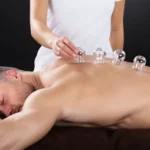
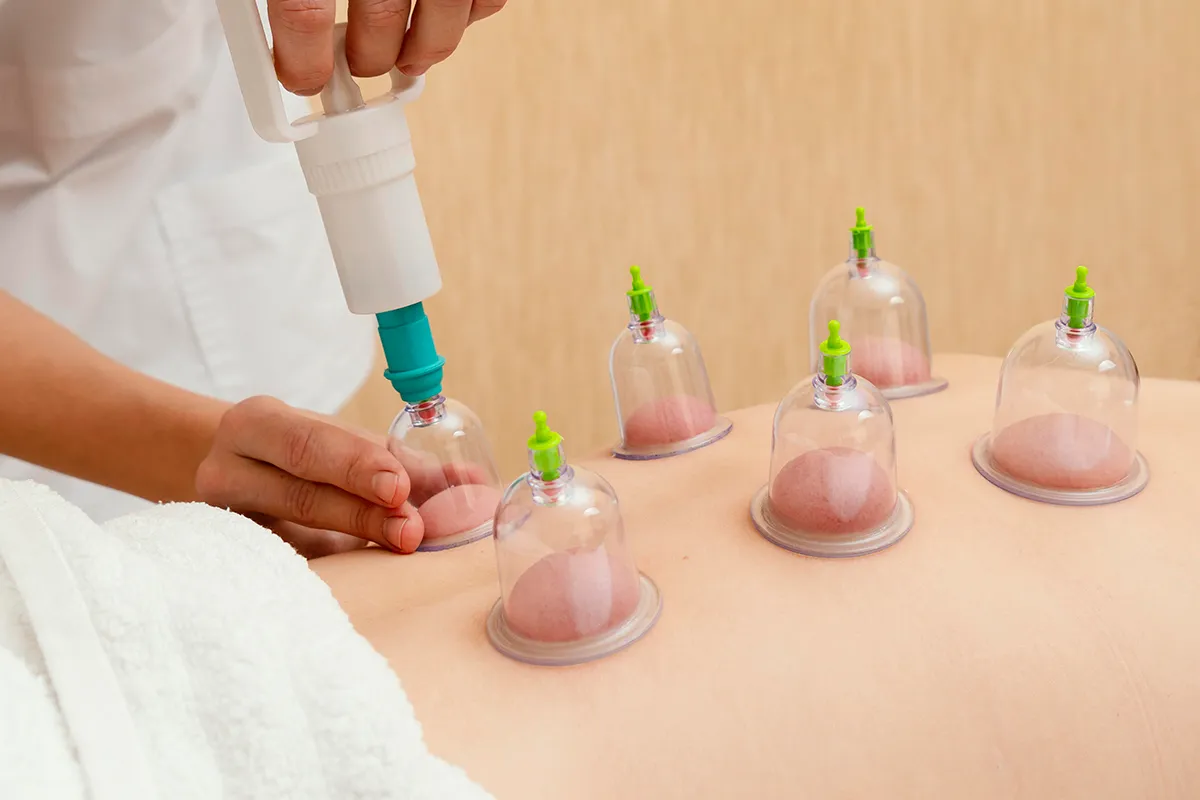
Dry cupping is a non-invasive method that involves placing cups on the skin to create suction without any incisions.
The suction draws blood to the surface, helping to relieve muscle tension, improve blood flow, and reduce pain.
How Dry Cupping Works
-
A cup is placed on the skin, and air is removed to create a vacuum.
-
This suction causes mild redness and swelling as blood vessels expand.
-
Cups are usually left for 5–10 minutes before removal.
Dry cupping is ideal for people who want to relax tight muscles or improve energy circulation without any blood extraction.
Benefits of Dry Cupping
-
Relieves muscle stiffness and tension
-
Enhances energy flow and relaxation
-
Reduces inflammation naturally
-
Supports athletic recovery and performance
2. Wet Cupping (Al-Hijama Al-Mashrooba)
Wet cupping, often called traditional Hijama, goes one step further. After initial suction, tiny incisions are made on the skin, and the cups are reapplied to draw out small amounts of toxic or stagnant blood.
This type is highly recommended in Sunnah and is believed to cleanse the body physically and spiritually.
How Wet Cupping Works
-
Cups are placed to create suction for a few minutes.
-
The practitioner removes the cups and makes light incisions.
-
Cups are then reapplied to draw out impurities from the bloodstream.
At Serene Hijama Ruqya, sterile equipment and professional techniques are used to ensure a safe, halal, and hygienic process.
Benefits of Wet Cupping
-
Detoxifies the body and removes waste blood
-
Improves immunity and circulation
-
Helps with chronic fatigue, migraines, and body pain
-
Provides spiritual relief and emotional clarity
Dry vs Wet Cupping: Key Differences
| Feature | Dry Cupping | Wet Cupping |
|---|---|---|
| Method | Suction only | Suction + small incisions |
| Purpose | Relaxation and muscle relief | Detoxification and purification |
| Sunnah Practice | No | Yes |
| Best For | Tension, stress, mild pain | Chronic pain, fatigue, and spiritual healing |
| Recovery Time | None | 24–48 hours for healing |
Which Type of Hijama Is Right for You?
Choosing between dry and wet cupping depends on your individual goals, health conditions, and comfort level.
-
If you’re new to cupping, dry cupping is a gentle introduction.
-
If you’re seeking deeper detoxification or spiritual healing, wet cupping may be the better option.
-
Some clients start with dry cupping and transition to wet cupping once comfortable.
It’s best to consult with a trained therapist, such as those at Serene Hijama Ruqya, to determine which type suits your body’s needs and healing goals.
Who Should Avoid Certain Types of Cupping?
While cupping is generally safe, certain individuals should avoid or delay the treatment:
-
Pregnant women (especially in the first trimester)
-
Those with anemia or severe bleeding disorders
-
People on blood-thinning medication
-
Anyone with skin infections or open wounds
Always discuss your medical history with your practitioner before beginning treatment.
Aftercare Tips for Best Results
To maximize the benefits of your session:
-
Rest well after cupping and stay hydrated.
-
Avoid heavy exercise or showering immediately post-session.
-
Eat light meals and avoid caffeine or spicy food for 12 hours.
-
Apply natural oils like black seed or olive oil on cupped areas to soothe the skin.
Proper aftercare supports healing and prevents irritation or infection.
FAQs About Dry and Wet Cupping
1. Is cupping therapy painful?
Mild discomfort may be felt during suction, especially in wet cupping, but it’s generally well-tolerated. Most people describe it as a light pressure rather than pain.
2. How often should I do cupping?
For general wellness, once every 3–6 months is recommended. Those with chronic issues may benefit from more frequent sessions as advised by a practitioner.
3. Can I combine both dry and wet cupping?
Yes, some sessions may begin with dry cupping to relax muscles and then move to wet cupping for deeper cleansing. This combination can enhance overall benefits.
4. Are there any side effects?
Minor redness or light bruising may occur temporarily. These marks usually fade within a few days.
5. Is Hijama safe for everyone?
When done by trained professionals using sterile tools, Hijama is safe for most people. Always consult a qualified practitioner before starting.
Conclusion
Both dry and wet cupping offer powerful healing benefits, physically, emotionally, and spiritually. While dry cupping focuses on muscle relaxation and energy balance, wet cupping deeply purifies the blood and rejuvenates the body.
If you’re unsure which to choose, consult a certified therapist at Serene Hijama Ruqya. Whether you’re seeking pain relief, stress reduction, or spiritual renewal, the right type of Hijama can bring your mind, body, and soul back into harmony.
About the Author: This article was written and reviewed by the clinical team at Serene Hijama & Ruqya, certified practitioners with years of hands-on experience in Hijama cupping therapy, authentic Ruqya (Islamic spiritual healing), and Islamic psychotherapy. Our team combines traditional Prophetic medicine with modern wellness practices.
Last reviewed: May 2026 | Medical disclaimer: This content is for informational purposes and does not replace professional medical advice.