Signs You Might Need Ruqya Therapy – And How to Get Help?
Topics Covered
-
What Is Ruqya Therapy?
-
The Spiritual and Emotional Importance of Ruqya
-
Common Signs You Might Need Ruqya
-
Physical, Mental, and Spiritual Symptoms Explained
-
How Ruqya Therapy Works
-
What to Expect During a Ruqya Session
-
How to Seek Professional Help Safely
-
FAQs About Ruqya Healing
What Is Ruqya Therapy?
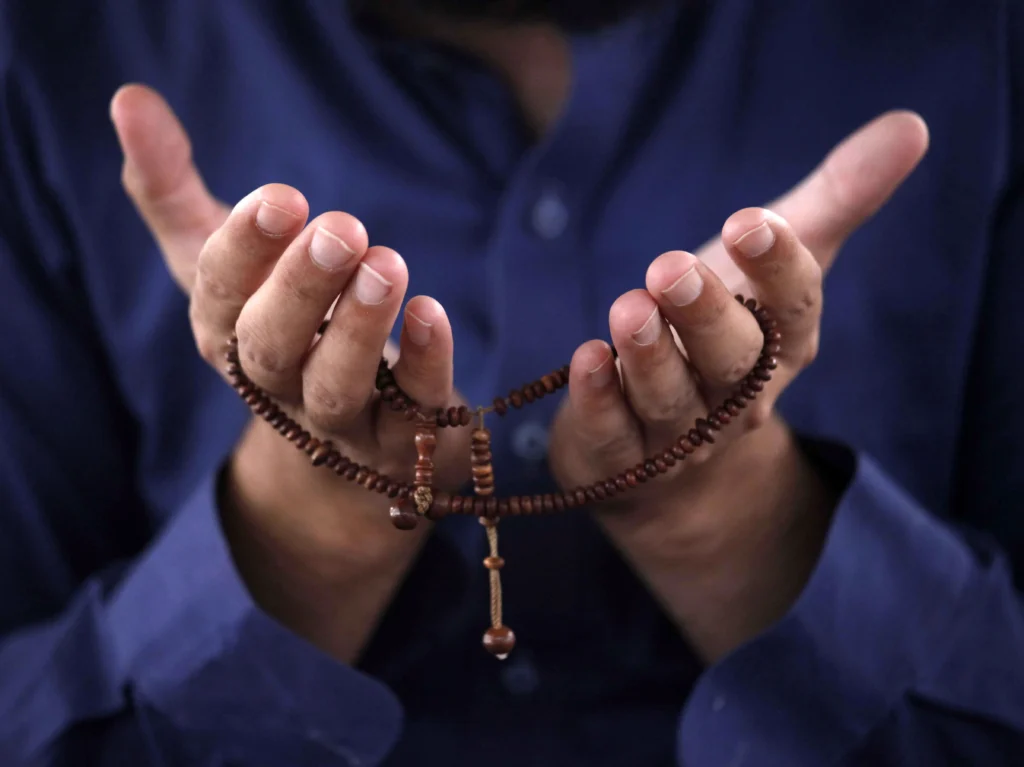
Ruqya is a form of spiritual healing rooted in the teachings of the Qur’an and Sunnah. It involves reciting specific verses and supplications (du’as) from the Qur’an to seek Allah’s protection and healing from unseen ailments, whether caused by evil eye (ayn), black magic (sihr), or jinn disturbances.
At Serene Hijama Ruqya, trained practitioners perform Ruqya with sincerity and proper Islamic principles, helping individuals find peace and relief from spiritual and emotional distress.
The Spiritual and Emotional Importance of Ruqya
Ruqya is not just about removing negative energies; it’s about restoring balance between the mind, body, and soul.
Through Qur’anic recitations and supplications, Ruqya therapy:
-
Strengthens one’s connection with Allah (SWT)
-
Purifies the heart and soul from spiritual blockages
-
Helps overcome fear, anxiety, and recurring emotional distress
This practice emphasizes that true healing comes only from Allah, and Ruqya serves as a means to seek that divine mercy.
Common Signs You Might Need Ruqya
Spiritual disturbances can manifest in ways that are often misunderstood or overlooked. Recognizing these signs early can help you seek timely and effective help.
Below are some common symptoms that may indicate the need for Ruqya.
1. Persistent Negative Thoughts or Sudden Mood Changes
If you often feel unexplained sadness, anger, or hopelessness without any clear cause, it may suggest a spiritual imbalance. These emotions may intensify during prayer, Qur’an recitation, or at specific times (especially at night).
2. Unexplained Physical Pain or Fatigue
One of the most common signs is chronic fatigue or body pain that medical tests can’t explain. People may experience:
-
Head pressure or sudden headaches
-
Tightness in the chest
-
Random body pains or numbness
-
Unusual tiredness despite rest
3. Sleep Disturbances and Disturbing Dreams
Recurring nightmares, sleep paralysis, or restless sleep can sometimes indicate spiritual interference.
You may feel heaviness in the chest, wake up startled, or see fearful visions that persist.
4. Feeling Isolated or Irritated During Worship
If you find it difficult to pray, read Qur’an, or listen to Adhan, and instead feel agitation, sadness, or distraction, it might be a sign of unseen resistance.
These symptoms can occur due to the presence of negative spiritual influences that resist remembrance of Allah.
5. Sudden Relationship Problems or Emotional Instability
Sometimes, continuous family conflict, relationship breakdowns, or emotional numbness appear without logical reasons. While every relationship faces challenges, sudden or severe emotional disconnection may point toward external spiritual causes.
6. Financial or Personal Blockages
Repeated failures, constant setbacks, or inability to progress despite effort may also be a sign of sihr (black magic) meant to cause stagnation. Ruqya can help remove these spiritual barriers by invoking Allah’s help and restoring barakah (blessing) in your life.
Physical, Mental, and Spiritual Symptoms Explained
Ruqya helps uncover root causes that medical or psychological treatments may not always address. It doesn’t replace medicine, but complements it by addressing the spiritual layer of one’s wellbeing.
| Category | Common Symptoms |
|---|---|
| Physical | Chronic fatigue, body pain, migraines, heaviness in limbs |
| Mental | Anxiety, forgetfulness, confusion, sudden panic |
| Spiritual | Fear during prayer, nightmares, isolation, feeling “blocked” in life |
If these symptoms persist despite treatment or become more intense during Qur’an recitation, it’s advisable to seek Ruqya guidance.
How Ruqya Therapy Works?
Ruqya involves reciting Qur’anic verses and Prophetic du’as with the intention of healing. A professional Ruqya practitioner ensures that the process remains purely Islamic, without the use of charms, magic, or superstitious methods.
Steps in a Ruqya Session
-
Consultation: The practitioner listens to your symptoms and background.
-
Preparation: You are guided to make a sincere intention (niyyah) for healing.
-
Recitation: Qur’anic verses such as Surah Al-Falaq, Surah An-Naas, and Ayat al-Kursi are recited over you.
-
Observation: Reactions (such as yawning, crying, or heaviness) are monitored.
-
Guidance: Post-session, you may receive Qur’an-based instructions to maintain spiritual protection.
At Serene Hijama Ruqya, practitioners approach every session with care, confidentiality, and Islamic ethics, ensuring both comfort and safety.
How to Seek Professional Help Safely?
When seeking Ruqya help:
-
Choose a trusted, qualified practitioner who adheres strictly to Islamic methods.
-
Avoid anyone who uses amulets, symbols, or non-Islamic rituals.
-
Ensure the process involves only Qur’anic recitation and du’as.
-
Combine Ruqya with regular salah, dhikr, and seeking forgiveness, as these maintain spiritual protection.
A genuine Ruqya therapist will remind you that healing is by Allah’s will, and they are simply a means.
FAQs About Ruqya Therapy
1. Is Ruqya the same as exorcism?
No. Ruqya is not an exorcism. It’s a peaceful, Qur’an-based healing process rooted in faith and compassion.
2. Can I perform Ruqya on myself?
Yes, self-Ruqya is encouraged. Reciting Surah Al-Falaq, An-Naas, and Ayat al-Kursi daily helps maintain protection.
3. How long does it take to see results?
Results vary based on the individual’s faith, consistency, and type of issue. Some feel relief immediately; others may need multiple sessions.
4. Is Ruqya safe for children?
Yes, Ruqya is safe for children when performed gently by a qualified practitioner. It can help with fear, nightmares, or behavioral changes.
5. Can I combine Ruqya with medical treatment?
Absolutely. Ruqya complements medical and psychological care; it does not replace it.
Conclusion
Recognizing when you might need Ruqya therapy is the first step toward reclaiming peace, clarity, and balance. Whether you’re struggling with unexplained emotional distress, recurring negative thoughts, or persistent fear, know that help and healing are possible.
At Serene Hijama Ruqya, every session is guided by Qur’anic principles and compassion, helping you restore harmony within your mind, body, and soul through sincere spiritual healing.
About the Author: This article was written and reviewed by the clinical team at Serene Hijama & Ruqya, certified practitioners with years of hands-on experience in Hijama cupping therapy, authentic Ruqya (Islamic spiritual healing), and Islamic psychotherapy. Our team combines traditional Prophetic medicine with modern wellness practices.
Last reviewed: May 2026 | Medical disclaimer: This content is for informational purposes and does not replace professional medical advice.