
Building Resilience: Islamic Psychotherapy Strategies for Stress in Canadian Muslim Communities
Serving Canada & the GTA — Serene Hijama & Ruqya proudly serves the Canadian Muslim community coast to coast. Through our in-person clinic in the GTA and our online consultation services, we make authentic Islamic healing accessible to all Canadians.
Canada’s Muslim population has grown to over 1.7 million, with increasing demand for holistic healing services that honour both Islamic tradition and Canadian healthcare standards.
In a world that constantly demands our attention and energy, stress has become an undeniable part of daily life for many. For Canadian Muslim communities, particularly in vibrant urban centres like Toronto, this stress is often compounded by unique cultural, social, and religious factors. Navigating acculturation, identity formation, potential discrimination, and maintaining faith-based values within a diverse society can create significant mental health challenges. This is where Islamic psychotherapy for stress in Canada emerges as a vital, culturally sensitive, and deeply effective pathway to healing and resilience. It offers a unique approach that respects and integrates the spiritual dimensions of a Muslim’s life with evidence-based psychological strategies, providing holistic care that resonates deeply with the community’s values.
Conventional therapeutic models, while effective, sometimes fall short in addressing the specific spiritual and cultural nuances that shape the experiences of Muslim clients. Islamic psychotherapy bridges this gap, offering a framework that understands the human psyche through an Islamic lens, emphasizing the connection between spiritual well-being and mental health. This article will explore various strategies rooted in Islamic psychotherapy that can empower individuals and families within Canadian Muslim communities to build resilience and effectively manage stress.
Understanding the Unique Stressors Faced by Canadian Muslims in Toronto
Before delving into solutions, it’s crucial to acknowledge the multifaceted nature of stress impacting Canadian Muslims. In Toronto, a melting pot of cultures, Muslims often face stressors that include:
Acculturation Stress and Identity Conflicts
Immigrants and their descendants grapple with balancing their traditional cultural values and Islamic identity with Canadian societal norms. This can lead to internal conflict, generational gaps, and a sense of alienation, contributing significantly to Muslim mental health in Canada. Young Muslims, in particular, may struggle to reconcile their faith and heritage with popular culture, creating pressure points that manifest as anxiety or depression.
Experiences of Discrimination and Islamophobia
Despite Canada’s multicultural policies, incidents of discrimination and Islamophobia persist. These experiences, whether direct or vicarious, can lead to chronic stress, fear, hypervigilance, and a sense of insecurity within the community. The constant need to defend one’s identity or face prejudice takes a heavy toll on mental well-being.
Religious Guilt and Spiritual Distress
Muslims committed to their faith may experience guilt or distress when they perceive themselves falling short of religious obligations or ideals. This internal pressure, combined with external societal expectations, can exacerbate feelings of stress and inadequacy. Finding a balance between spiritual aspirations and the realities of daily life is a common struggle.
Socio-Economic Pressures
Like any community, Canadian Muslims face economic pressures, including unemployment, underemployment, and the high cost of living in cities like Toronto. Financial stress often underpins other forms of anxiety and impacts family dynamics and overall quality of life.
The Power of Islamic Psychotherapy for Stress in Canada
Islamic psychotherapy offers a distinctive and effective framework for addressing these stressors. It integrates traditional Islamic spiritual practices and ethical principles with contemporary psychological theories and techniques. This holistic approach views the human being as comprised of a soul (ruh), heart (qalb), intellect (aql), and self (nafs), all interconnected and influencing one’s mental and emotional state. By acknowledging the spiritual dimension, Islamic psychotherapy can offer profound avenues for healing and resilience.
Core Principles Guiding Islamic Psychotherapy
At its heart, Islamic psychotherapy is built upon several foundational principles:
- Tawhid (Oneness of God): Emphasizing God as the ultimate source of healing and strength. This encourages reliance on a higher power, fostering hope and reducing feelings of helplessness.
- Tazkiyat al-Nafs (Purification of the Self): A focus on self-improvement, refining character, and overcoming negative traits, which directly contributes to mental clarity and peace.
- Tawakkul (Trust in God): Cultivating a deep sense of trust in God’s plan, allowing individuals to surrender worries and anxieties after taking necessary actions.
- Sabr (Patience) and Shukr (Gratitude): Developing the virtues of patience in adversity and gratitude for blessings, transforming challenges into opportunities for spiritual growth.
- Qalb (Heart/Spiritual Core): Recognizing the heart as the centre of emotions, intellect, and spirituality, and aiming to purify and strengthen it.
These principles are not merely abstract concepts but are woven into practical therapeutic strategies that empower individuals to navigate their stress with faith and fortitude. This culturally congruent approach is why many Muslim Canadians are choosing faith-based therapy for their mental health needs.
Effective Islamic Psychotherapy Strategies for Managing Stress
For those experiencing Islamic psychotherapy stress Canada, here are several key strategies that form the bedrock of this therapeutic approach, offering practical tools for resilience:
1. Dhikr and Contemplation (Muraqabah): Cultivating Inner Peace
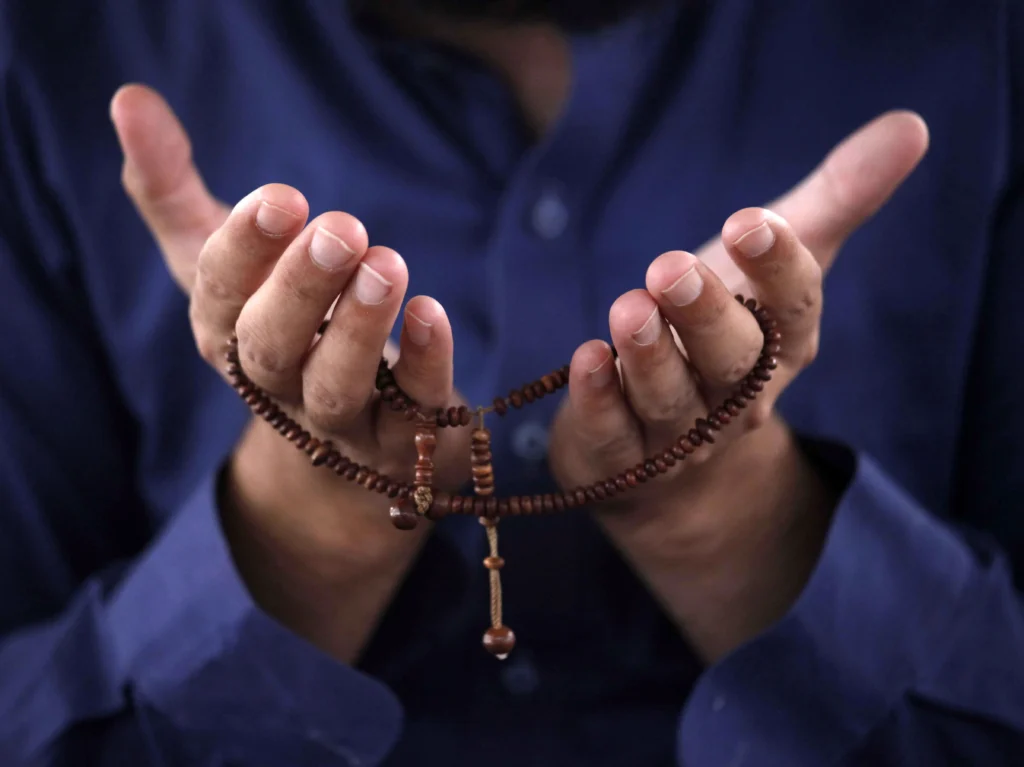
Dhikr, the remembrance of God through specific phrases or names, is a powerful spiritual practice akin to mindfulness and meditation. It helps calm the mind, reduce intrusive thoughts, and foster a sense of connection and tranquility. Contemplation (Muraqabah) involves structured reflection on God’s creation, one’s purpose, and the transient nature of worldly concerns. These practices divert attention from stressors, grounding individuals in a sense of spiritual presence and purpose.
Practical Application: Daily short sessions of Dhikr, deep breathing exercises combined with reciting spiritual phrases, and dedicated time for quiet reflection on the blessings in one’s life. This can be particularly impactful in the bustling environment of Toronto, offering an oasis of calm.
2. Salat (Prayer): Structured Spiritual Recalibration
The five daily prayers (Salat) are a fundamental pillar of Islam and serve as structured breaks throughout the day, offering moments of spiritual recalibration. Beyond their religious obligation, Salat provides physical movement, deep concentration, and a direct line of communication with God, acting as a profound stress reliever. It encourages detachment from worldly concerns, promotes gratitude, and reinforces a sense of submission and peace.
Practical Application: Encouraging consistent and conscious performance of Salat, focusing on the meaning of the verses and the physical postures. Therapists may guide clients to approach Salat not just as ritual but as a mindful spiritual exercise for managing Muslim mental health in Canada.
3. Dua (Supplication): Expressing Helplessness and Hope
Dua is the act of supplicating to God, expressing one’s needs, fears, and hopes directly. It’s a therapeutic outlet that allows individuals to articulate their deepest anxieties and seek divine assistance. This act fosters a sense of hope, reduces feelings of isolation, and strengthens the belief that one is not alone in their struggles. It is a powerful tool for emotional release and building resilience.
Practical Application: Journaling prayers, regular personal supplication, and learning to articulate feelings through Dua rather than bottling them up. This practice can be incredibly liberating for those dealing with persistent islamic psychotherapy stress Canada.
4. Sabr and Tawakkul (Patience and Trust in God): Reframing Adversity
Sabr (patience) is not merely passive endurance but an active, hopeful perseverance in the face of adversity. Tawakkul (trust in God) involves doing one’s best and then trusting God with the outcome. These concepts help individuals reframe stressful situations, viewing challenges as tests or opportunities for spiritual growth, rather than insurmountable obstacles. This perspective significantly reduces the emotional burden of stress.
Practical Application: Cognitive reframing techniques to challenge negative thought patterns, focusing on what is within one’s control, and consciously practicing letting go of what isn’t, fortified by trust in divine decree. This is crucial for building Islamic psychotherapy resilience.
5. Community Connection and Service (Khidmah): Strengthening Social Bonds
Islam places a strong emphasis on community (Ummah) and mutual support. Engaging in community activities, seeking support from religious leaders or elders, and participating in charitable acts (Khidmah) can combat feelings of loneliness and isolation, common contributors to stress. Helping others also provides a sense of purpose and perspective, shifting focus away from personal anxieties.
Practical Application: Actively seeking out Muslim community centers or organizations in Toronto for social interaction, volunteer opportunities, and finding support groups that understand unique cultural contexts. This can be found via Google search for local Muslim organizations.
6. Tazkiyat al-Nafs (Self-Purification) and Ethical Conduct: Inner Harmony
Tazkiyat al-Nafs involves purifying the self from negative traits like anger, jealousy, and arrogance, and cultivating positive ones such as humility, compassion, and forgiveness. Unresolved negative emotions are significant sources of internal stress. By working on character development through an Islamic ethical framework, individuals can achieve greater inner harmony and reduce psychological distress. This also involves practicing honesty, integrity, and justice in daily interactions.
Practical Application: Self-reflection, journaling about emotional triggers, and consciously practicing virtues like forgiveness and patience in daily interactions. A therapist can guide clients through this journey of self-improvement for managing islamic psychotherapy stress Canada.
7. Combining Ruqya and Psychotherapy for Holistic Healing
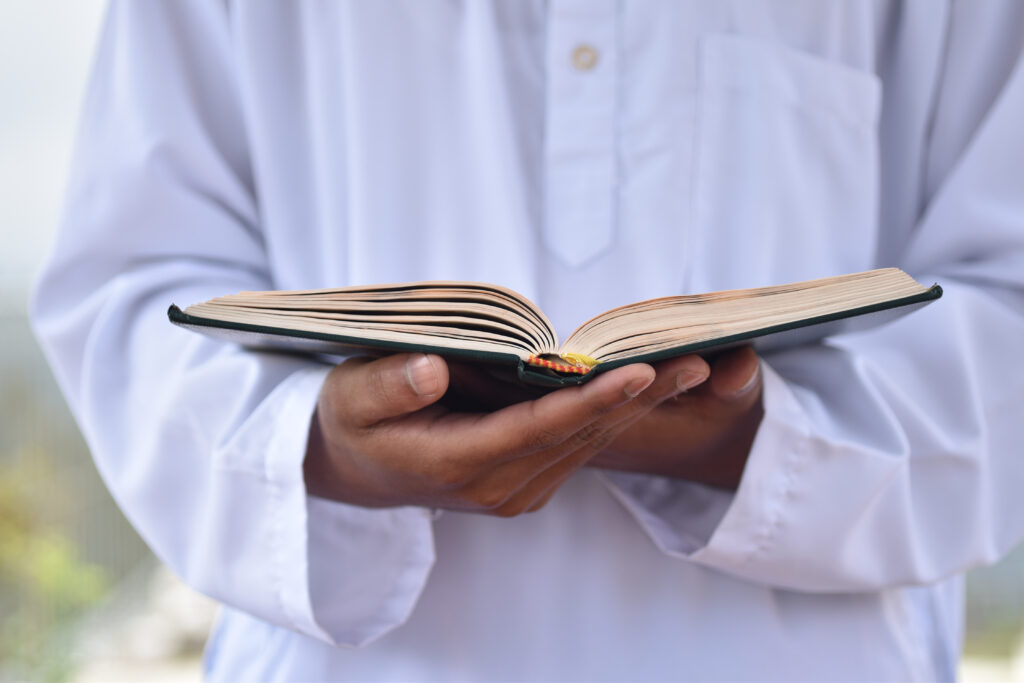
For some within the Canadian Muslim community, stress and mental health challenges are also understood through a spiritual lens that includes concepts of evil eye, jinn, or black magic. In such cases, integrating Ruqya with psychotherapy offers a comprehensive, faith-affirming approach to healing. Ruqya, a form of spiritual healing through Quranic recitation and supplication, addresses spiritual ailments, while psychotherapy addresses the psychological and emotional components. This combination ensures that all aspects of an individual’s well-being—physical, emotional, and spiritual—are considered and treated.
Practical Application: A therapist may work collaboratively with a qualified Ruqya practitioner, or be trained in both, to provide an integrated treatment plan that respects the client’s holistic worldview. This blended approach is highly valued by many seeking support for Islamic psychotherapy and mental health in Canada.
The Benefits of Seeking Islamic Psychotherapy in Toronto
Choosing Islamic psychotherapy, especially in a diverse city like Toronto, offers specific advantages for the Muslim community:
- Cultural and Religious Sensitivity: Therapists understand and respect the client’s faith, values, and cultural background, fostering a safe and trusting environment.
- Reduced Stigma: Framing mental health within a spiritual context can help reduce the stigma often associated with seeking psychological help in some Muslim communities.
- Holistic Healing: Addresses the mind, body, and soul, providing comprehensive well-being beyond symptom management.
- Empowerment through Faith: Utilizes existing spiritual resources and resilience inherent in Islamic teachings, empowering individuals to cope with stress through their faith.
- Community Connection: Often encourages reintegration into healthy community support structures.
Our team at Serene Hijama & Ruqya understands these unique needs and is dedicated to providing compassionate, professional, and faith-based support. Learn more about our approach on our About Us page and explore our comprehensive services page.
Frequently Asked Questions About Islamic Psychotherapy for Stress
What is Islamic psychotherapy and how does it help with stress?
Islamic psychotherapy is a therapeutic approach that integrates Islamic spiritual principles, ethics, and practices with evidence-based psychological techniques. It addresses stress by fostering a connection with God, cultivating virtues like patience and gratitude, encouraging spiritual practices like prayer and contemplation, and providing a culturally sensitive framework for understanding and resolving emotional distress. It helps individuals find inner peace, purpose, and resilience.
Is Islamic psychotherapy suitable for all Muslims in Canada, particularly in Toronto?
Yes, Islamic psychotherapy is designed to be beneficial for all Muslims, regardless of their level of religiosity, who wish to integrate their faith into their healing journey. In Toronto’s diverse Muslim population, it offers a deeply resonant and culturally affirming option for those seeking mental health support that aligns with their spiritual identity.
How does Islamic psychotherapy differ from conventional therapy for stress?
While it utilizes many conventional psychological techniques, Islamic psychotherapy distinguishes itself by grounding these methods in an Islamic worldview. It incorporates spiritual concepts like Tawhid (Oneness of God), Tazkiyat al-Nafs (purification of the self), and reliance on Quran and Sunnah, offering a holistic perspective on human well-being that acknowledges the spiritual dimension often absent in secular approaches.
Can I combine Islamic psychotherapy with other forms of treatment?
Absolutely. Islamic psychotherapy is often complementary to other forms of treatment. In fact, many practitioners offer a blended approach, integrating it with cognitive-behavioral therapy (CBT), mindfulness, or even spiritual healing modalities like Ruqya, as offered by Serene Hijama & Ruqya, to provide comprehensive and tailored care for islamic psychotherapy stress Canada.
What are the qualifications of an Islamic psychotherapist in Toronto?
A qualified Islamic psychotherapist typically holds professional training in psychology, counselling, or social work from accredited institutions, alongside specialized training in Islamic psychology and spiritual care. They are often licensed practitioners who also possess a deep understanding of Islamic theology, ethics, and practices, ensuring both professional competence and cultural sensitivity in addressing Muslim mental health in Canada.
Conclusion: Embracing Holistic Healing for Canadian Muslims
Building resilience against stress is an ongoing journey, and for Canadian Muslims in Toronto, Islamic psychotherapy offers a uniquely empowering and affirming path. By integrating the timeless wisdom of Islamic teachings with modern psychological insights, it provides a comprehensive framework for mental, emotional, and spiritual well-being. It empowers individuals to harness their faith as a source of strength, find meaning in adversity, and cultivate inner peace amidst life’s challenges. If you or a loved one are struggling with stress and seeking support that honors your faith and cultural identity, consider the transformative potential of Islamic psychotherapy.
Ready to Find Peace and Resilience?
Don’t let stress control your life. Take the first step towards holistic healing and resilience today. Our expert team at Serene Hijama & Ruqya is here to provide compassionate, faith-based support tailored to your unique needs. Experience the profound benefits of Islamic psychotherapy for stress in Canada, right here in Toronto. Book an appointment with us now to begin your journey towards inner peace and well-being. We also encourage you to explore our Contact Us page for any inquiries.
About the Author: This article was written and reviewed by the clinical team at Serene Hijama & Ruqya, certified practitioners with years of hands-on experience in Hijama cupping therapy, authentic Ruqya (Islamic spiritual healing), and Islamic psychotherapy. Our team combines traditional Prophetic medicine with modern wellness practices, serving the Canada community from our GTA clinic.
Last reviewed: May 2026 | Medical disclaimer: This content is for informational purposes and does not replace professional medical advice.