How Hijama Works: The Science Behind Cupping
Understanding how Hijama truly works requires more than a surface-level glance at suction cups and circular marks. Behind this ancient therapeutic method lies a fascinating combination of physiology, detoxification, and neuromuscular response. Let’s pull back the curtain and explore the science that gives Hijama its long-standing reputation for healing.
What Actually Happens Beneath the Skin During Hijama?
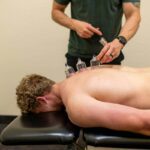
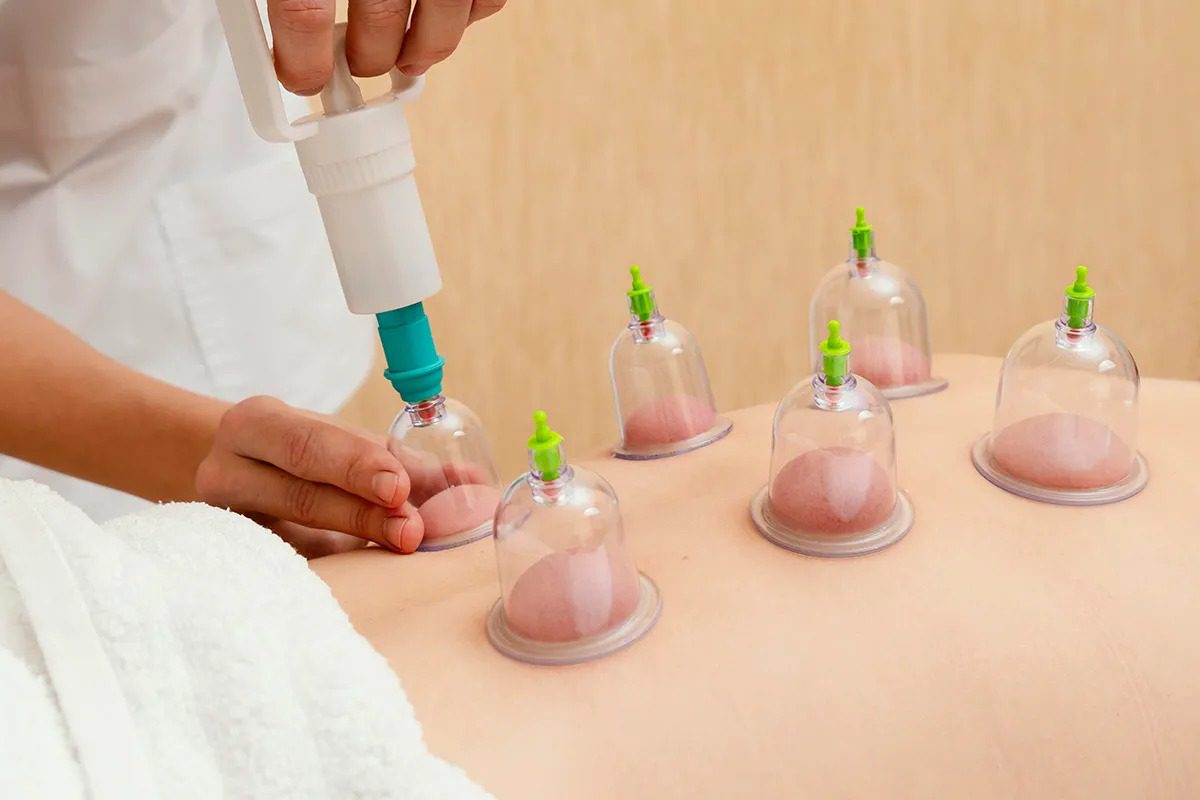
When cups are placed on the skin and suction is applied, the body reacts immediately. Blood vessels expand, circulation increases, and the lymphatic system kicks into gear. This isn’t mystical, it’s biology doing what biology does best.
Increased Blood Flow: The Body’s Built-In Repair Mode
The moment negative pressure is created inside the cup, blood rushes toward the area. This influx brings fresh oxygen, nutrients, and immune cells. It’s the same mechanism the body uses naturally when healing an injury; Hijama simply accelerates the process.
Fascia Release and Muscle Relaxation
Cupping physically lifts the skin and fascia (the thin tissue wrapped around muscles). This separation reduces stiffness, boosts mobility, and eases chronic pain. Many patients describe the sensation as a deep stretch they didn’t know they needed.
Reduction of Inflammation Through Controlled Stress
Inflammation has a purpose; it signals the body to repair. Hijama stimulates a mild, controlled inflammatory response, prompting the body to increase healing activity in targeted areas. Think of it like calling the maintenance crew to the exact spot where repairs are overdue.
Why Hijama Supports Whole-Body Wellness?
Hijama is not just about relieving a tight shoulder or a nagging headache. The therapy works system-wide, influencing hormonal balance, detox pathways, neurological signals, and immune performance. This is where traditional wisdom aligns neatly with modern physiology.
Lymphatic Drainage: Clearing Out the Waste
Your lymphatic system is essentially your body’s cleanup crew. Hijama stimulates lymph movement, helping clear toxins, cellular debris, and metabolic waste. This can explain the post-session “lightness” many people report.
Pain Reduction Through Endorphin Release
Science recognizes cupping as a trigger for natural pain-relief chemicals. When combined with increased circulation, the body receives a gentle push toward relaxation and reduced discomfort.
Nervous System Reset: From Stress Mode to Calm Mode
Cupping activates the parasympathetic nervous system, the “rest and digest” mode. For individuals living in constant stress (which, let’s be honest, is most of the population), this shift can improve sleep, digestion, and overall mental clarity.
Detoxification Through Microcirculation
Hijama draws stagnant blood and interstitial fluid toward the surface, where the body can more effectively metabolize and remove it. This process is believed to reduce oxidative stress and support healthier cellular function.
Hijama and Evidence-Based Practice: Bridging Tradition with Modern Insight
While Hijama has been practiced for thousands of years, researchers are now paying closer attention. Studies have shown cupping to be beneficial for chronic pain, migraines, muscle tension, inflammation, and stress-related disorders. More importantly, practitioners who are trained in both traditional and modern therapeutic techniques offer a safe, structured, and informed approach.
If you’re exploring this therapy for the first time, reading a clear and practical breakdown, like the Ultimate Guide to Hijama Cupping Therapy, can help you understand what to expect from a session and why the process is so effective.
Choosing the Right Practitioner Matters
Hijama is powerful, but only in the right hands. Skilled practitioners understand body mechanics, hygiene protocols, and proper cup placement. They also guide patients through the aftercare process, ensuring the benefits extend long after the session ends.
If you’re considering a session, learning more about the center’s philosophy, approach, and professional background can help you feel more confident. The Serene Hijama & Ruqya home page offers a good overview of their holistic care and patient-centered methods.
The Science Is Clear – Your Body Responds Positively to Hijama
Whether you’re battling chronic pain, mental exhaustion, inflammation, or simply looking to optimize overall health, Hijama taps into the body’s natural healing mechanisms in a gentle yet effective way. Its benefits are not just rooted in tradition; they’re reinforced by modern physiology and clinical observation.
When performed with proper technique, Hijama offers a safe, powerful, and science-supported path to better health. And with more research emerging every year, its role in integrative wellness continues to grow.
Frequently Asked Questions
What does Hijama feel like?
Most people feel a gentle pulling sensation as the cups create suction. It’s not usually painful, more like a deep stretch or pressure release.
How long does a Hijama session take?
A typical session lasts between 45 and 60 minutes, depending on the areas being treated and the client’s individual needs.
Are the marks from cupping permanent?
No. The circular marks fade within a few days to a week, depending on circulation, skin type, and the amount of stagnation in the area.
Is Hijama safe for everyone?
While Hijama is generally safe, individuals with certain medical conditions, such as bleeding disorders, severe anemia, or pregnancy, should consult a qualified practitioner beforehand.
How often should I get Hijama done?
Many clients benefit from sessions every 4–6 weeks, but the frequency varies based on your goals, health condition, and practitioner recommendations.
Related Articles You May Find Helpful
About the Author: This article was written and reviewed by the clinical team at Serene Hijama & Ruqya, certified practitioners with years of hands-on experience in Hijama cupping therapy, authentic Ruqya (Islamic spiritual healing), and Islamic psychotherapy. Our team combines traditional Prophetic medicine with modern wellness practices.
Last reviewed: May 2026 | Medical disclaimer: This content is for informational purposes and does not replace professional medical advice.