
What is Ruqyah? Understanding Islamic Spiritual Healing
In the vibrant and diverse city of Toronto, many individuals seek holistic approaches to well-being, encompassing both physical and spiritual health. Among these, the practice of Ruqyah in Islam stands out as a profound method of spiritual healing. Rooted deeply in the teachings of the Quran and the Sunnah (the practices and sayings of Prophet Muhammad, peace be upon him), Ruqyah is a form of Islamic supplication and recitation used to seek protection and healing from various ailments, both physical and spiritual. This ancient practice, still relevant today, offers a unique perspective on health and wellness, emphasizing the power of faith and divine intervention. Understanding what is Ruqyah in Islam involves delving into its origins, its permissible forms, and its application in seeking solace and recovery.
Defining Ruqyah: The Islamic Perspective on Spiritual Healing
At its core, Ruqyah refers to the recitation of specific verses from the Holy Quran, along with supplications (Du’a) taught by Prophet Muhammad (peace be upon him), with the intention of seeking healing and protection from Allah (God). It is not a form of magic or sorcery, which are strictly forbidden in Islam. Instead, it is a legitimate and encouraged means of seeking divine aid when faced with illness, the evil eye (Al-Ain), envy (Hasad), or the influence of Jinn (spirits). The permissibility of Ruqyah is contingent upon three conditions: it must be done with the words of Allah, His beautiful names and attributes, or with the tongue of the Prophet (peace be upon him); it must be done in Arabic or a language that is understood; and one must believe that it is Allah alone who causes healing and that Ruqyah is merely a means.
Historical Roots and Permissibility of Ruqyah
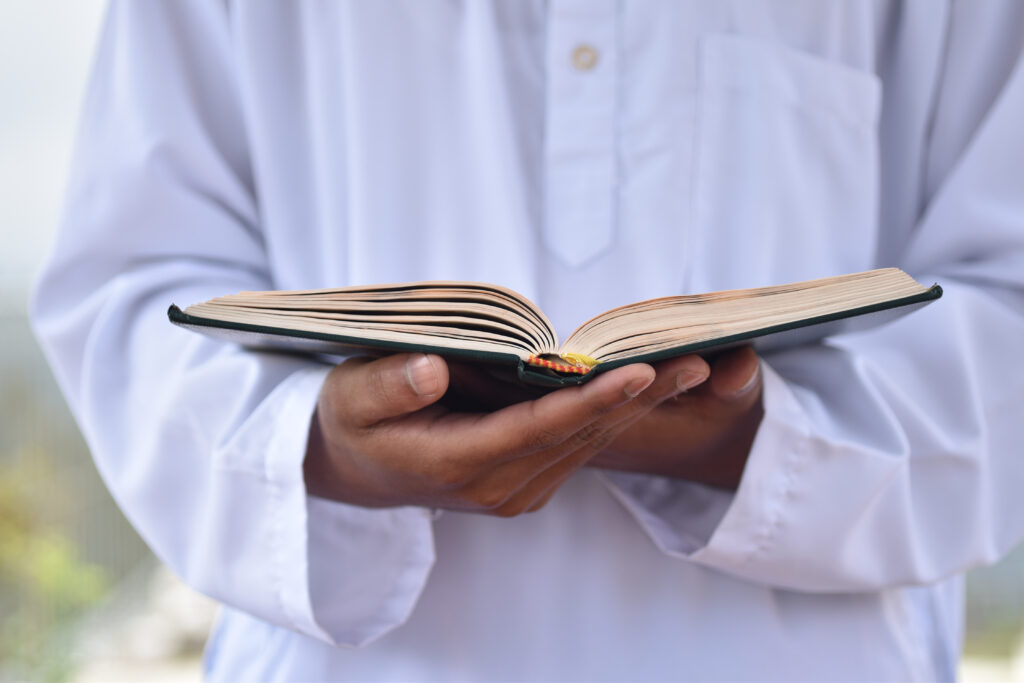
The practice of Ruqyah has a rich history within Islamic tradition. The Quran itself is considered a source of healing for believers, as stated in Surah Al-Isra (17:82): “And We send down of the Quran that which is a healing and a mercy to those who believe.” Prophet Muhammad (peace be upon him) himself performed and taught Ruqyah. For instance, it is narrated that when he was afflicted by illness, he would recite specific Surahs and blow over himself. He also permitted his companions to perform Ruqyah, provided it adhered to the Islamic guidelines. This historical precedent firmly establishes Ruqyah as a legitimate spiritual practice within Islam. In Toronto, as in many other parts of the world, practitioners adhere to these traditional methods, ensuring that the practice remains pure and effective, aligning with the teachings of the Quran and Sunnah. For those seeking comprehensive wellness, exploring complementary therapies like Ruqyah alongside practices such as Hijama cupping therapy can offer a holistic approach to health.
What Is Ruqyah in Islam? Types and Methods
Understanding what is Ruqyah in Islam also involves recognizing its different forms and methods. Generally, Ruqyah can be categorized into two main types:
- Ruqyah Ash-Shar’iyyah (Legitimate Ruqyah): This is the only permissible form of Ruqyah. It involves reciting specific verses from the Quran, such as Surah Al-Fatihah, Ayat Al-Kursi, the last three Surahs (Al-Ikhlas, Al-Falaq, An-Nas), and other verses known for their healing properties. It also includes authentic Du’as taught by the Prophet (peace be upon him), such as “Bismillah ir-Rahman ir-Rahim, A’udhu billahi wa qudratihi min sharri ma ajidu wa uhadhir” (In the name of Allah, the Most Gracious, the Most Merciful. I seek refuge in Allah and His Power from the evil of what I feel and what I fear). This type of Ruqyah is performed by a knowledgeable practitioner or by the individual themselves.
- Ruqyah Ghair Ash-Shar’iyyah (Illegitimate Ruqyah): This includes practices that involve associating partners with Allah, using amulets or talismans with unknown meanings, reciting incantations that are not from the Quran or Sunnah, or believing that the practitioner has independent power to heal. This form of Ruqyah is strictly forbidden (Haram) in Islam.
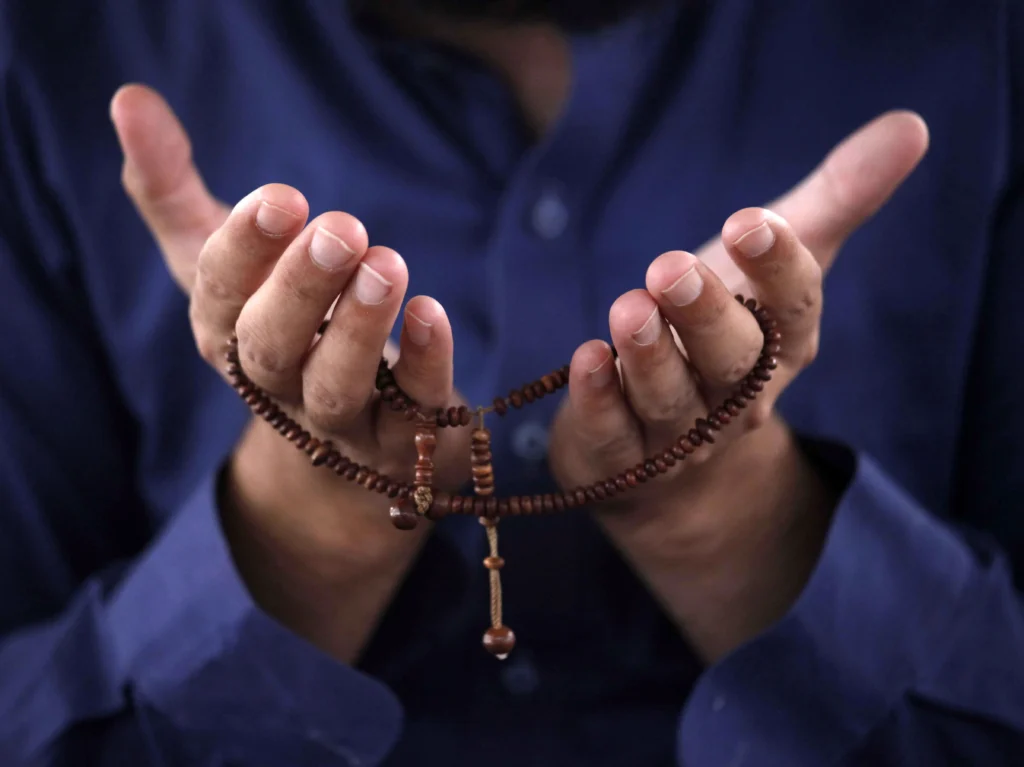
The methods of performing Ruqyah Ash-Shar’iyyah typically involve reciting the verses and Du’as over the affected person, water, oil, or honey, which are then consumed or applied. It can also involve blowing gently with or without saliva onto the person or the substance. The intention is always to seek healing from Allah, with the recitation serving as a means of invoking His mercy and power.
The Spiritual and Physical Benefits of Ruqyah
The benefits of practicing Ruqyah are multifaceted, extending beyond mere physical relief to encompass profound spiritual and emotional well-being. For believers, the act of engaging in Ruqyah strengthens their connection with Allah, reinforcing their Tawakkul (reliance on God) and patience during times of hardship. It provides a sense of comfort and hope, knowing that they are actively seeking divine intervention. Spiritually, it can help cleanse the heart and mind from negative influences, anxieties, and doubts, fostering inner peace and tranquility. Many individuals turn to Ruqyah for relief from persistent ailments that may not have a clear medical diagnosis or that have not responded to conventional treatments. While Ruqyah is primarily a spiritual remedy, many report experiencing significant physical improvements as well. This can be attributed to the holistic nature of Islamic healing, where the mind, body, and soul are interconnected. For those in Toronto seeking natural avenues for wellness, Ruqyah, alongside other natural therapies, can be a valuable component of a comprehensive health regimen. The science-backed benefits of Hijama therapy, for instance, often complement the spiritual healing sought through Ruqyah.
Ruqyah in Toronto: Finding Qualified Practitioners
In a multicultural city like Toronto, finding authentic and qualified practitioners of Ruqyah is crucial. It is important to seek individuals who are knowledgeable in Islamic jurisprudence, understand the Quran and Sunnah thoroughly, and adhere strictly to the conditions of Ruqyah Ash-Shar’iyyah. A qualified practitioner will never ask for excessive fees, demand sacrifices, or engage in practices that contradict Islamic teachings. They will focus on reciting Quranic verses and authentic Du’as, and their primary goal will be to help the individual connect with Allah for healing. At Serene Hijama & Ruqyah, we are committed to providing authentic Ruqyah services in Toronto, guided by the principles of the Quran and Sunnah. We encourage individuals to ask questions and ensure they feel comfortable and confident with the practitioner. For those interested in understanding the process and ensuring it aligns with their needs, filling out our questionnaire can be a helpful first step. Our commitment to transparency and adherence to Islamic principles is detailed in our about us section.
Pros and Cons of Ruqyah
| Pros | Cons |
|---|---|
| Strengthens faith and reliance on Allah (Tawakkul). | Requires strict adherence to Islamic guidelines to be permissible. |
| Provides spiritual comfort, peace, and hope. | Can be misunderstood or misused if not practiced correctly, leading to forbidden practices. |
| Addresses spiritual and psychological ailments like anxiety, depression, and the effects of the evil eye. | Results can vary and are ultimately dependent on Allah’s will. |
| Complements conventional medical treatments by addressing the spiritual dimension of illness. | Finding genuinely knowledgeable and trustworthy practitioners can be challenging. |
| Empowers individuals to take an active role in their healing through faith and supplication. | Requires patience and perseverance, as healing may not be immediate. |
Frequently Asked Questions About Ruqyah in Islam
1. Is Ruqyah a form of magic or sorcery?
No, authentic Ruqyah (Ruqyah Ash-Shar’iyyah) is not magic or sorcery. It is a legitimate Islamic practice that involves reciting verses from the Quran and authentic supplications to seek healing and protection from Allah. Magic and sorcery are strictly forbidden in Islam.
2. What are the conditions for Ruqyah to be permissible?
For Ruqyah to be permissible, it must meet three conditions: 1) It must be performed with the words of Allah, His names and attributes, or the Prophet’s teachings. 2) It must be in Arabic or a language that is understood. 3) One must believe that healing comes solely from Allah, and Ruqyah is merely a means.
3. Can I perform Ruqyah on myself?
Yes, an individual can perform Ruqyah on themselves, especially for minor ailments or general protection. The Prophet Muhammad (peace be upon him) did this for himself. However, for more complex or persistent issues, seeking help from a knowledgeable and trustworthy practitioner is often recommended.
4. What specific Quranic verses are commonly recited in Ruqyah?
Commonly recited verses include Surah Al-Fatihah, Ayat Al-Kursi (Quran 2:255), the last three Surahs (Al-Ikhlas, Al-Falaq, and An-Nas), and verses that speak about healing and protection, such as parts of Surah Yunus (10:57) and Surah Al-Isra (17:82).
5. How does Ruqyah differ from general prayer (Du’a)?
While both involve supplication to Allah, Ruqyah is a specific form of Du’a that involves the recitation of particular Quranic verses and prophetic supplications with the direct intention of seeking healing from specific ailments, often related to spiritual afflictions like the evil eye or Jinn. General Du’a is broader and can be for any need or request.
In conclusion, understanding what is Ruqyah in Islam reveals it as a powerful and legitimate spiritual healing practice. It is a testament to the holistic approach of Islam, which recognizes the interconnectedness of physical, spiritual, and emotional well-being. For those in Toronto seeking solace, healing, and a deeper connection with their faith, authentic Ruqyah offers a path guided by divine wisdom. We invite you to explore our services and learn more about how we can support your journey to wellness. If you are ready to take the next step, you can schedule your appointment with us. For any further inquiries, please do not hesitate to contact us. We also offer insights into related practices like the first Hijama cupping process and its benefits, particularly for women in Canada, and how it can serve as natural pain relief for busy Canadians. For more information on health and wellness, you can also visit Google.
Related Articles You May Find Helpful
About the Author: This article was written and reviewed by the clinical team at Serene Hijama & Ruqya, certified practitioners with years of hands-on experience in Hijama cupping therapy, authentic Ruqya (Islamic spiritual healing), and Islamic psychotherapy. Our team combines traditional Prophetic medicine with modern wellness practices.
Last reviewed: May 2026 | Medical disclaimer: This content is for informational purposes and does not replace professional medical advice.