Topics Covered
-
What Is Cupping Therapy (Hijama)?
-
Why Athletes Use Cupping for Performance
-
How Cupping Improves Muscle Recovery
-
The Science Behind Faster Healing
-
Mental and Emotional Benefits for Athletes
-
How Often Should Athletes Get Cupping?
-
FAQs About Cupping for Sports Recovery
What Is Cupping Therapy (Hijama)?
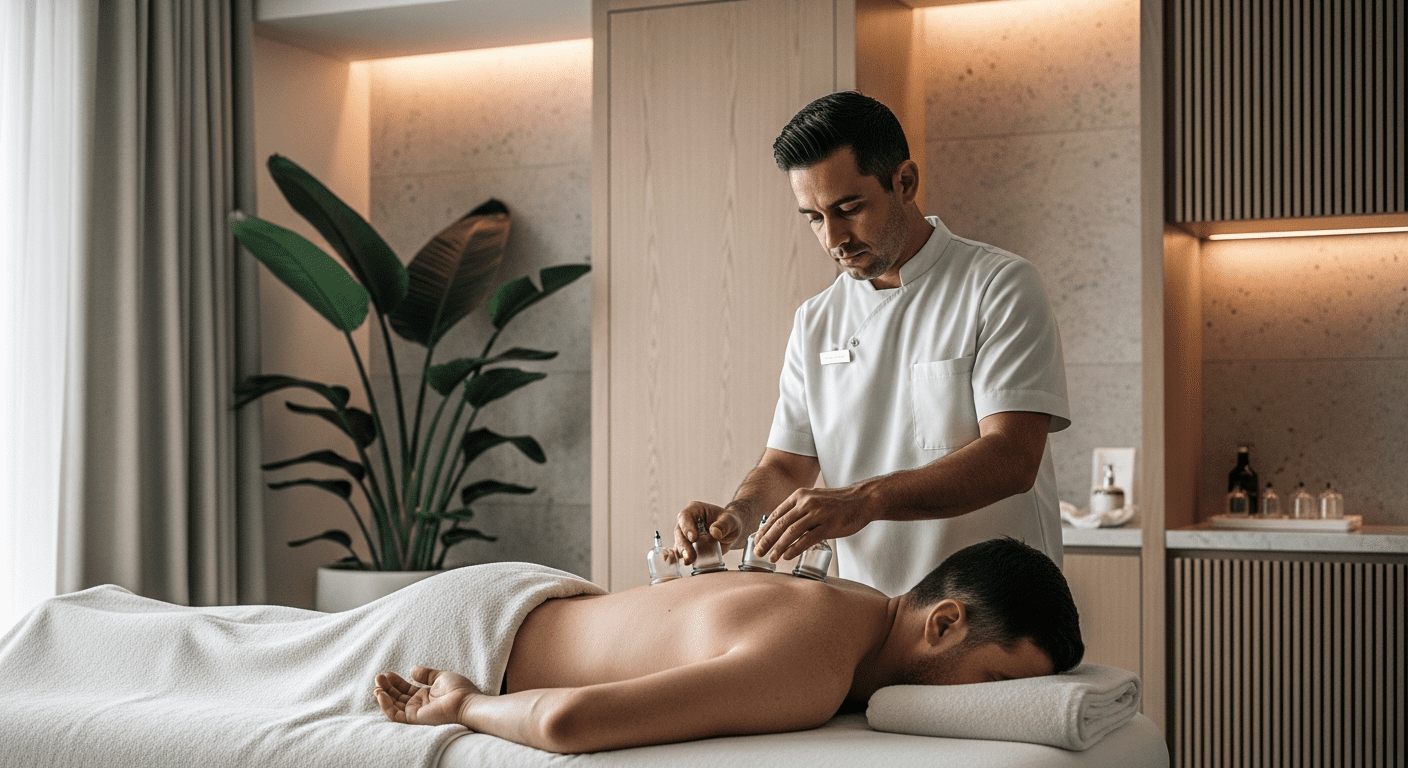
Cupping therapy, or Hijama, is an ancient healing method that uses suction cups to improve circulation, relieve muscle tension, and promote natural detoxification.
While its origins trace back thousands of years, today it’s widely embraced by modern athletes, from Olympic swimmers to professional football players, as part of their sports performance and recovery routines.
At Serene Hijama Ruqya, this therapy is performed safely using hygienic techniques that combine traditional Prophetic healing with modern sports science.
Why Athletes Use Cupping for Performance?
Athletes constantly push their bodies to the limit. Overtraining, muscle strain, and fatigue can affect performance and lead to injuries. Cupping offers a natural, drug-free solution for recovery and body optimization.
Key Reasons Athletes Choose Cupping:
-
Reduces muscle soreness and tightness
-
Enhances blood and oxygen flow to tissues
-
Speeds up recovery after intense training
-
Promotes detoxification and lymphatic drainage
-
Prevents injuries by improving tissue flexibility
Many professional athletes, including swimmers like Michael Phelps and footballers across Europe, have been seen with visible cupping marks on their backs and shoulders, a testament to its growing popularity in the sports world.
How Cupping Improves Muscle Recovery?
1. Increases Blood Circulation to Muscles
When a cup is applied to the skin, suction draws blood to the targeted area. This increased circulation helps deliver oxygen, nutrients, and healing agents to sore muscles, accelerating recovery and reducing inflammation.
2. Removes Toxins and Metabolic Waste
Intense exercise causes lactic acid buildup, which leads to stiffness and soreness. Cupping stimulates the lymphatic system, helping the body flush out toxins and metabolic waste faster.
3. Relieves Deep Muscle Tension
Unlike massage (which applies pressure), cupping works by lifting the tissue, allowing deeper muscle layers to relax. This decompression relieves tight fascia and enhances flexibility, critical for athletes who need smooth muscle movement.
The Science Behind Faster Healing
Recent research supports the physiological effects of cupping therapy on muscle performance and healing. Studies show that it:
-
Reduces inflammatory markers in muscle tissue
-
Stimulates microcirculation and angiogenesis (the formation of new blood vessels)
-
Enhances oxygen absorption and nutrient delivery
-
Promotes a parasympathetic response, helping the body relax and recover
This scientific understanding bridges traditional Hijama with modern athletic recovery methods, proving it’s more than a wellness trend; it’s a biological performance enhancer.
Different Cupping Techniques for Athletes
At Serene Hijama Ruqya, different methods are used based on each athlete’s physical condition and performance goals.
1. Dry Cupping (Static Cupping)
Cups are placed and left in one spot for several minutes. This technique boosts blood circulation in localized areas, perfect for relieving tight shoulders or hamstrings.
2. Moving Cupping (Massage Cupping)
Cups are gently moved across oiled skin to release fascia tension, loosen muscles, and enhance flexibility. It’s ideal for pre-training warmups or general relaxation.
3. Wet Cupping (Hijama)
Involves making small incisions after suction to draw out stagnant blood. This method helps detoxify the body and promote deeper healing, especially for chronic pain or injuries.
Mental and Emotional Benefits for Athletes
Athletes not only endure physical stress but also mental pressure. Cupping therapy promotes mental relaxation by:
-
Activating the parasympathetic nervous system
-
Reducing cortisol (stress hormone) levels
-
Improving sleep and recovery quality
A relaxed mind translates to better focus, confidence, and emotional stability, all crucial for peak sports performance.
How Often Should Athletes Get Cupping?
The ideal frequency depends on the sport, training intensity, and recovery needs.
Recommended Schedule:
-
During active training: Once every 2–3 weeks
-
Post-competition or heavy sessions: Within 24–48 hours for faster recovery
-
Maintenance phase: Once a month to prevent buildup of muscle tension
Cupping should always be performed by trained professionals to ensure safe application and maximum benefit.
Who Should Avoid Cupping Therapy?
Though cupping is safe for most, athletes should avoid it if they:
-
Have open wounds or skin infections
-
Suffer from bleeding disorders
-
Are you recovering from recent surgery
-
Are severely dehydrated or fatigued
Always discuss your health history with your therapist before treatment.
FAQs About Cupping Therapy for Athletes
1. Does cupping really enhance athletic performance?
Yes. Cupping improves blood flow, speeds muscle recovery, and helps prevent injuries, leading to better endurance and performance.
2. How soon can I train after a cupping session?
Light movement can resume within 24 hours, but it’s best to rest for a day before high-intensity training, especially after wet cupping.
3. Will I get marks after cupping?
Yes, temporary circular marks are normal. They are not bruises but indications of blood flow improvement and usually fade within a few days.
4. Can cupping replace sports massage or physiotherapy?
Cupping complements these therapies but doesn’t replace them. It can, however, enhance their results when used together.
5. Is cupping therapy safe for all athletes?
Yes, when done professionally with sterile equipment and proper assessment, it’s safe and beneficial for athletes of all levels.
Conclusion
For athletes, recovery is just as important as training. Cupping therapy bridges that gap by promoting faster healing, improved circulation, and reduced muscle fatigue, all naturally and without side effects.
At Serene Hijama Ruqya, Hijama cupping therapy is tailored for athletes seeking to optimize performance, enhance flexibility, and restore physical and mental balance. Whether you’re a runner, weightlifter, or team player, cupping can help keep your body in peak condition.