Understanding the differences between cupping therapy vs hijama is crucial for Canadians seeking effective alternative healing treatments. While both practices involve suction cups, they differ significantly in technique, cultural background, therapeutic depth, and overall treatment philosophy, making the choice between them important for optimal health outcomes.
Many Canadians assume these treatments are identical, leading to confusion about which approach best suits their health needs and cultural preferences. This comprehensive comparison guide clarifies the distinct characteristics, benefits, and applications of each therapy to help you make an informed decision about your healing journey.
Difference 1: Historical Origins and Cultural Context
Hijama (Islamic Wet Cupping)
Rooted in 1,400 years of Islamic tradition, hijama follows prophetic teachings and specific religious guidelines. It combines physical healing with spiritual cleansing, incorporating Islamic prayers and adhering to religious principles throughout treatment.
Regular Cupping Therapy
Originates from various ancient cultures including Chinese, Egyptian, and Greek traditions. Modern cupping has evolved as a secular wellness practice focused primarily on physical benefits without specific religious or spiritual components.
The cultural foundation of cupping therapy vs hijama creates fundamentally different treatment experiences. Hijama practitioners in Canada must understand Islamic jurisprudence, prophetic medicine principles, and religious considerations that guide treatment timing, methodology, and spiritual integration.
Regular cupping therapy draws from diverse cultural traditions but typically operates within secular wellness frameworks, focusing on therapeutic outcomes without incorporating specific religious or spiritual elements into the treatment process.
Cultural Impact: Hijama offers spiritual healing alongside physical benefits, while regular cupping focuses exclusively on physiological improvements.
Difference 2: Wet vs Dry Cupping Techniques
The Fundamental Technique Distinction
The most significant difference between cupping therapy vs hijama lies in their core methodologies. Hijama involves wet cupping with controlled incisions to remove stagnant blood, while regular cupping typically uses dry suction without skin penetration.
Hijama’s wet cupping technique includes precise micro-incisions that allow therapeutic blood extraction, removing toxins, metabolic waste, and stagnant blood from targeted areas. This process requires specialized training in anatomy, sterilization, and Islamic healing principles.
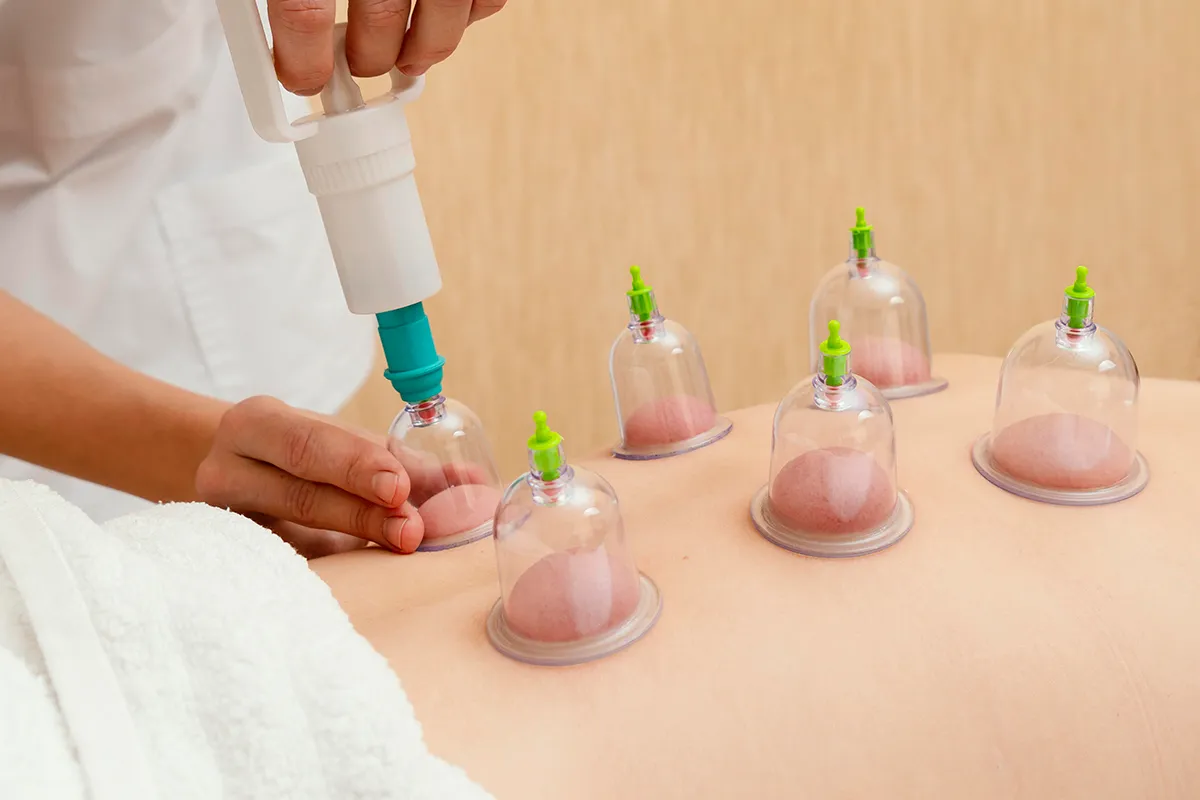
Regular cupping therapy primarily uses dry cupping methods that create suction without skin incisions. Some practitioners may incorporate minimal wet cupping, but this remains secondary to the dry cupping approach and lacks the systematic blood removal central to hijama.
| Treatment Aspect | Hijama (Wet Cupping) | Regular Cupping | Clinical Impact |
|---|---|---|---|
| Primary Technique | Wet cupping with incisions | Dry suction cupping | Hijama provides deeper detoxification |
| Blood Removal | Systematic therapeutic extraction | No blood removal | Enhanced toxin elimination with hijama |
| Detox Mechanism | Direct toxin and waste removal | Circulation enhancement only | More comprehensive cleansing with hijama |
| Treatment Depth | Deep tissue and systemic effects | Surface to moderate depth | Hijama addresses deeper health issues |
| Healing Marks | Therapeutic extraction marks | Suction marks only | Hijama marks indicate detox levels |
Difference 3: Spiritual vs Physical-Only Approach
The treatment philosophy represents a fundamental difference in cupping therapy vs hijama approaches to healing. Hijama integrates spiritual cleansing with physical therapy, recognizing the interconnection between spiritual and physical health in Islamic healing traditions.
Hijama’s Holistic Spiritual Approach:
• Incorporates Islamic prayers and supplications
• Considers spiritual purification alongside physical healing
• Follows prophetic traditions and religious timing
• Addresses both seen and unseen aspects of illness
• Integrates faith-based healing with therapeutic intervention
Regular Cupping’s Physical Focus:
• Concentrates on physiological mechanisms
• Uses scientific explanations for therapeutic effects
• Applies secular wellness principles
• Focuses on measurable physical outcomes
• Integrates with conventional medical approaches
This philosophical difference creates distinct treatment experiences for patients in Canada. Muslim patients often find hijama’s spiritual integration essential for complete healing, while others may prefer the secular approach of regular cupping therapy.
Difference 4: Training and Certification Requirements
Professional qualifications for cupping therapy vs hijama practitioners differ significantly in Canada, reflecting the distinct knowledge bases and skill requirements for each treatment approach.
Hijama Practitioner Requirements:
Qualified hijama practitioners need comprehensive Islamic education including Quranic studies, hadith knowledge, Islamic jurisprudence (fiqh), prophetic medicine principles, anatomy and physiology, sterilization protocols, and cultural sensitivity training for diverse Muslim communities.
Regular cupping therapy certification focuses on anatomical knowledge, cupping techniques, safety protocols, and integration with wellness practices. Training typically emphasizes scientific foundations and therapeutic applications without religious or spiritual components.
The depth of Islamic knowledge required for authentic hijama practice means practitioners often study for years to master both the spiritual and technical aspects of this healing art, while regular cupping certification can be completed in shorter timeframes.
Professional Standards in Canadian Practice
Both hijama and regular cupping practitioners in Canada must meet provincial health regulations and maintain professional liability insurance. However, hijama practitioners additionally need verification of their Islamic education and cultural competency.
Reputable hijama centers often require practitioners to demonstrate knowledge of Islamic healing principles, proper religious etiquette, and ability to integrate spiritual elements appropriately into therapeutic sessions.
Difference 5: Cost Comparison and Accessibility in Canada
The financial aspects of cupping therapy vs hijama reflect their different complexity levels, training requirements, and treatment approaches available across Canadian provinces.
Hijama Cost Factors
Higher Investment: $100-200 per session
Includes: Spiritual consultation, wet cupping, Islamic integration, longer sessions
Value: Comprehensive holistic healing
Regular Cupping Costs
Lower Cost: $60-120 per session
Includes: Basic cupping, wellness focus, shorter sessions
Value: Targeted physical therapy
The higher cost of hijama reflects the extensive training required, longer session duration, specialized equipment for wet cupping, and comprehensive assessment that includes spiritual and cultural considerations alongside physical evaluation.
Regular cupping therapy’s lower cost structure makes it more accessible for frequent treatments, though it may require more sessions to achieve comparable therapeutic outcomes due to its less intensive approach.
Which Treatment is Right for You? Decision Framework
Choose Hijama If You:
• Seek spiritual healing alongside physical therapy
• Value Islamic healing traditions and prophetic medicine
• Want comprehensive detoxification through blood removal
• Prefer holistic approaches addressing root causes
• Need culturally appropriate treatment within Islamic values
Choose Regular Cupping If You:
• Focus primarily on physical therapeutic benefits
• Prefer secular wellness approaches
• Want frequent maintenance treatments
• Seek integration with conventional medical care
• Prefer non-invasive treatment without incisions
The decision between cupping therapy vs hijama often depends on your cultural background, spiritual beliefs, health goals, and treatment preferences. Both approaches offer legitimate therapeutic benefits but serve different patient needs and philosophical orientations.
Finding Quality Practitioners in Canada
Selecting qualified practitioners for either treatment requires careful evaluation of credentials, experience, and treatment philosophy alignment with your personal needs and cultural preferences.
Hijama Practitioner Selection Criteria
Look for practitioners with documented Islamic education, certification from recognized Islamic healing institutions, experience with diverse Muslim communities, proper medical training, and cultural sensitivity in treatment approaches.
Regular Cupping Practitioner Selection
Seek practitioners with proper cupping certification, anatomical knowledge, safety training, professional liability insurance, and experience integrating cupping with other wellness modalities or medical treatments.
Frequently Asked Questions About Cupping Therapy vs Hijama
Can I switch between hijama and regular cupping treatments or should I choose one?
While both treatments are safe, it’s generally recommended to work consistently with one approach and practitioner who understands your health history and treatment goals. Switching between methods may reduce treatment effectiveness and continuity of care.
Does regular cupping provide the same detoxification benefits as hijama wet cupping?
Regular dry cupping improves circulation and provides some detoxification through enhanced lymphatic drainage, but hijama’s wet cupping offers more direct and comprehensive toxin removal through therapeutic blood extraction.
Are there any health conditions where one treatment is preferred over the other?
Hijama may be more effective for conditions involving toxin accumulation, chronic inflammation, or systemic imbalances, while regular cupping works well for muscle tension, circulation issues, and general wellness maintenance.
How do I know if my practitioner is qualified to perform the treatment I’m considering?
Ask about certifications, training background, years of experience, and approach to patient safety. Qualified practitioners should readily provide credentials and explain their treatment methodology and safety protocols.
Can insurance coverage differ between hijama and regular cupping treatments in Canada?
Coverage varies by province and insurance provider. Some plans cover licensed healthcare providers offering cupping, while others may not distinguish between treatment types. Check with your specific insurance provider for coverage details.
The growing body of research comparing different cupping methodologies continues expanding through databases like Google Scholar, where studies document the distinct therapeutic mechanisms and outcomes of wet versus dry cupping approaches.
As Canadian healthcare evolves toward more integrative approaches, understanding the differences between cupping therapy vs hijama helps patients make informed decisions that align with their health goals, cultural values, and treatment preferences.
Choose the Right Treatment for Your Unique Needs
Still unsure whether hijama or regular cupping therapy best suits your health goals and cultural preferences? Our experienced practitioners can help you understand which approach aligns with your specific needs and desired outcomes.
Schedule a comprehensive consultation today and discover which healing modality offers the optimal path to wellness for your individual situation. Our qualified team provides expert guidance to ensure you receive the most appropriate and effective treatment.
Contact us through our Treatment Selection Guide or call (647) 551-6608 to discuss your options and choose the healing approach that’s right for you.