
**Meta Title:**
Cupping Therapy Athletes: 5 Powerful Benefits You Need
**Meta Description:**
See why Olympians use cupping therapy. Learn how cupping therapy athletes in Toronto trust for faster recovery & peak performance. Book now!
**Slug:**
cupping-therapy-athletes
—
How Olympians and Athletes Use Cupping Therapy: Benefits for Canadian Sports Enthusiasts
You’ve seen them—the distinctive, circular red marks on the shoulders and backs of Olympic swimmers, gymnasts, and track stars. From Michael Phelps to countless other elite competitors, these marks have become a badge of honour in the sports world. They are the tell-tale sign of a powerful, ancient recovery tool that is gaining massive popularity among Canadian sports enthusiasts. This technique is cupping therapy, and its application for cupping therapy athletes is transforming how they approach recovery, pain management, and peak performance. Whether you’re a professional athlete in Toronto, a dedicated weekend warrior, or a fitness enthusiast, understanding how this therapy works can unlock a new level of physical wellness.
At Serene Hijama Ruqya, we see firsthand how athletes across the Greater Toronto Area are incorporating this time-tested practice into their training regimens. This guide will delve into why cupping has become a go-to therapy for the world’s best and how it can benefit you.
Why Are Elite Athletes Covered in Those Red Circles?
When Michael Phelps appeared at the 2016 Rio Olympics with prominent cupping marks, it sparked a global conversation. But he is far from the only one. Athletes in high-impact and endurance sports like gymnastics, track and field, and weightlifting have been using this therapy for years. The reason is simple: intense physical training puts immense stress on the muscles, ligaments, and fascia. This leads to micro-tears, inflammation, muscle soreness, and stiffness, all of which can hinder performance and increase the risk of injury.
Athletes turn to cupping therapy as a non-invasive, drug-free method to combat these effects. It serves as a powerful tool for recovery, helping to keep their bodies in optimal condition. The therapy addresses the root causes of athletic strain—poor circulation, muscle knots, and fascial adhesions—allowing for quicker healing and a faster return to peak physical output. For cupping therapy athletes, it’s not just a trend; it’s a critical component of a comprehensive wellness and performance strategy.
The Science Behind Cupping Therapy for Athletes: How Does It Work?
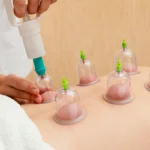
Cupping might look mysterious, but the principles behind it are grounded in physiology. The therapy involves placing specialized cups on the skin and creating a vacuum. This suction gently lifts the underlying soft tissue, including the skin, fascia, and muscle layers. Unlike massage, which compresses muscles, cupping provides a unique decompressive force. This negative pressure is what triggers a cascade of therapeutic benefits.
Decompression and Increased Blood Flow
The vacuum effect pulls stagnant, deoxygenated blood and metabolic waste from deep within the muscle tissue to the surface. This process allows fresh, oxygen-rich blood to flood the area. This enhanced circulation is vital for athletes, as oxygen and nutrients are essential for muscle repair, reducing inflammation, and flushing out lactic acid, which contributes to delayed onset muscle soreness (DOMS).
Releasing Fascia and Reducing Muscle Tension
Fascia is the connective tissue that surrounds your muscles, bones, and organs. When it becomes tight or develops adhesions from repetitive strain or injury, it can restrict movement and cause pain. The lifting action of cupping helps to stretch and release this tight fascia, breaking up adhesions and restoring normal mobility. For athletes, this means improved flexibility, a greater range of motion, and a significant reduction in the feeling of “tightness” that can limit performance.
5 Key Benefits of Cupping Therapy Athletes in Toronto Swear By
From professionals training at world-class facilities to local sports enthusiasts in Toronto, the advantages of integrating cupping are clear. This is why cupping therapy athletes are making it a regular part of their routine.
1. Accelerated Muscle Recovery and Reduced Soreness
This is perhaps the most sought-after benefit. By dramatically increasing blood flow to overworked muscles, cupping helps to clear out the metabolic byproducts of intense exercise. This reduces the duration and intensity of DOMS, allowing athletes to recover faster between training sessions and competitions. Less downtime means more consistent, high-quality training.
2. Enhanced Flexibility and Range of Motion
Tight muscles and fascial restrictions are a major barrier to athletic performance, limiting everything from a swimmer’s reach to a runner’s stride. Cupping directly targets these restrictions. By releasing adhesions and lengthening muscle fibres, athletes experience a noticeable improvement in their flexibility and range of motion, leading to more efficient movement and a lower risk of strains and sprains.
3. Natural Pain Relief for Sports Injuries
Cupping therapy is an effective natural analgesic. The therapy helps to relieve pain from both chronic and acute sports injuries, such as IT band syndrome, plantar fasciitis, and lower back pain. The suction stimulates sensory nerves in the skin, which can help disrupt pain signals sent to the brain. Furthermore, by reducing inflammation and muscle tension, it addresses the source of the pain, not just the symptom.
4. Toxin Release and Improved Circulation
The localized suction draws toxins and cellular waste to the surface, allowing the lymphatic system—the body’s natural drainage system—to process and eliminate them more effectively. This detoxification process is one of the core benefits of Hijama cupping therapy and can lead to reduced inflammation and an overall feeling of wellness, which is crucial for maintaining a rigorous training schedule.
5. A Mental Boost for Competitive Edge
The physical benefits of cupping therapy athletes experience are often accompanied by a significant mental and psychological boost. The process can be deeply relaxing, helping to reduce stress and anxiety associated with high-stakes competition. Knowing you are taking proactive steps to care for your body builds confidence and a stronger mind-body connection, giving you a crucial edge over the competition.
Wet vs. Dry Cupping: Which Is Right for an Athlete?
Athletes often ask about the difference between wet and dry cupping. Both are effective, but they serve slightly different purposes. At Serene Hijama Ruqya, we help you determine the best approach for your specific needs. Here’s a comparison to help you understand:
| Feature | Dry Cupping | Wet Cupping (Hijama) |
|---|---|---|
| Procedure | Suction is applied to the skin using cups. The cups may be left stationary or moved around (gliding cupping). | After an initial period of dry cupping, the cups are removed. Tiny, superficial skin incisions are made, and the cups are reapplied to draw out a small amount of stagnant blood and toxins. |
| Primary Goal | To release muscle tension, improve circulation, and relieve fascial restrictions. Primarily targets the musculoskeletal system. | To perform a deeper detoxification by removing stagnant blood and toxins from the body, leading to reduced inflammation and purification. |
| Best For | General muscle soreness, tightness, mobility issues, and pre-event preparation. | Chronic pain, inflammation, injury recovery, and systemic detoxification. Many athletes use it during their off-season for a deeper reset. |
| Invasiveness | Non-invasive. | Minimally invasive. |
Many athletes benefit from a combination of both therapies, using dry cupping for regular maintenance and wet cupping for more targeted, deeper healing. Consulting with a certified practitioner is the best way to create a personalized plan.
What to Expect During Your Cupping Session at Serene Hijama Ruqya
Your first session begins with a thorough consultation. We discuss your athletic goals, current training load, and any specific areas of pain or concern. This allows us to tailor the treatment specifically to you. During the session, you’ll lie comfortably while a certified practitioner applies the cups to targeted areas. You’ll feel a pulling or tightening sensation, which most clients describe as relaxing rather than painful. A typical session lasts between 15 to 30 minutes. After the session, you’ll see the characteristic circular marks, which are a normal result of blood being drawn to the surface and typically fade within a few days to a week. We provide detailed aftercare instructions to maximize the benefits of your treatment.
While there is a lot of anecdotal evidence supporting its use, the body of scientific research is always growing. A quick search on Google will show you numerous articles and preliminary studies exploring the mechanisms and benefits of cupping therapy athletes utilize.
Is Cupping Therapy Right for You? Common Questions from Toronto Athletes
We’ve compiled answers to some of the most common questions we receive from athletes and active individuals in the Toronto area.
What does cupping do for athletes?
For athletes, cupping primarily works by increasing blood circulation, releasing tight connective tissue (fascia), reducing muscle tension, and accelerating the removal of metabolic waste. This leads to faster recovery, reduced muscle soreness (DOMS), improved flexibility, and natural pain relief, helping athletes train more effectively and consistently.
How long do cupping marks last on athletes?
The circular marks, which are bruises caused by broken capillaries under the skin, are a normal part of the therapy. Their duration depends on the level of stagnation in the area. They can last anywhere from 3 to 10 days. For athletes with good circulation, the marks often fade more quickly.
How often should athletes get cupping?
The frequency depends on the athlete’s training cycle and goals. During intense training or for injury recovery, a session once a week or every two weeks can be beneficial. For general maintenance during the off-season, once a month is often sufficient. A consultation can help determine the ideal schedule for you.
Is cupping therapy painful for athletes?
Cupping therapy should not be painful. Clients typically feel a tight, pulling sensation as the vacuum is created. This sensation usually subsides into a feeling of release and relaxation. Our practitioners in Toronto are trained to adjust the suction level to ensure your comfort throughout the session.
Does cupping actually help with muscle recovery?
Yes, this is one of its primary benefits. By enhancing blood flow to targeted muscle groups, cupping delivers more oxygen and nutrients needed for repair while simultaneously helping to flush out lactic acid and other waste products that cause soreness. This significantly speeds up the body’s natural recovery process.
Find Your Peak Performance with Professional Cupping in Toronto
Don’t let muscle soreness, limited mobility, or nagging injuries hold you back from achieving your personal best. Join the ranks of elite athletes who have discovered the profound benefits of cupping therapy. At Serene Hijama Ruqya, we are dedicated to helping Toronto’s athletes and sports enthusiasts recover faster, move better, and perform stronger. Our certified practitioners provide safe, effective, and professional Hijama cupping in Toronto, tailored to the unique demands of your sport and body.
The use of cupping therapy athletes endorse is not a passing fad; it’s a testament to a powerful healing modality that supports the body’s natural ability to repair and excel. Are you ready to experience the difference for yourself?
Ready to unlock your athletic potential and accelerate your recovery? Contact Serene Hijama Ruqya today to book your consultation and discover how our specialized cupping therapy can help you achieve your performance goals.