
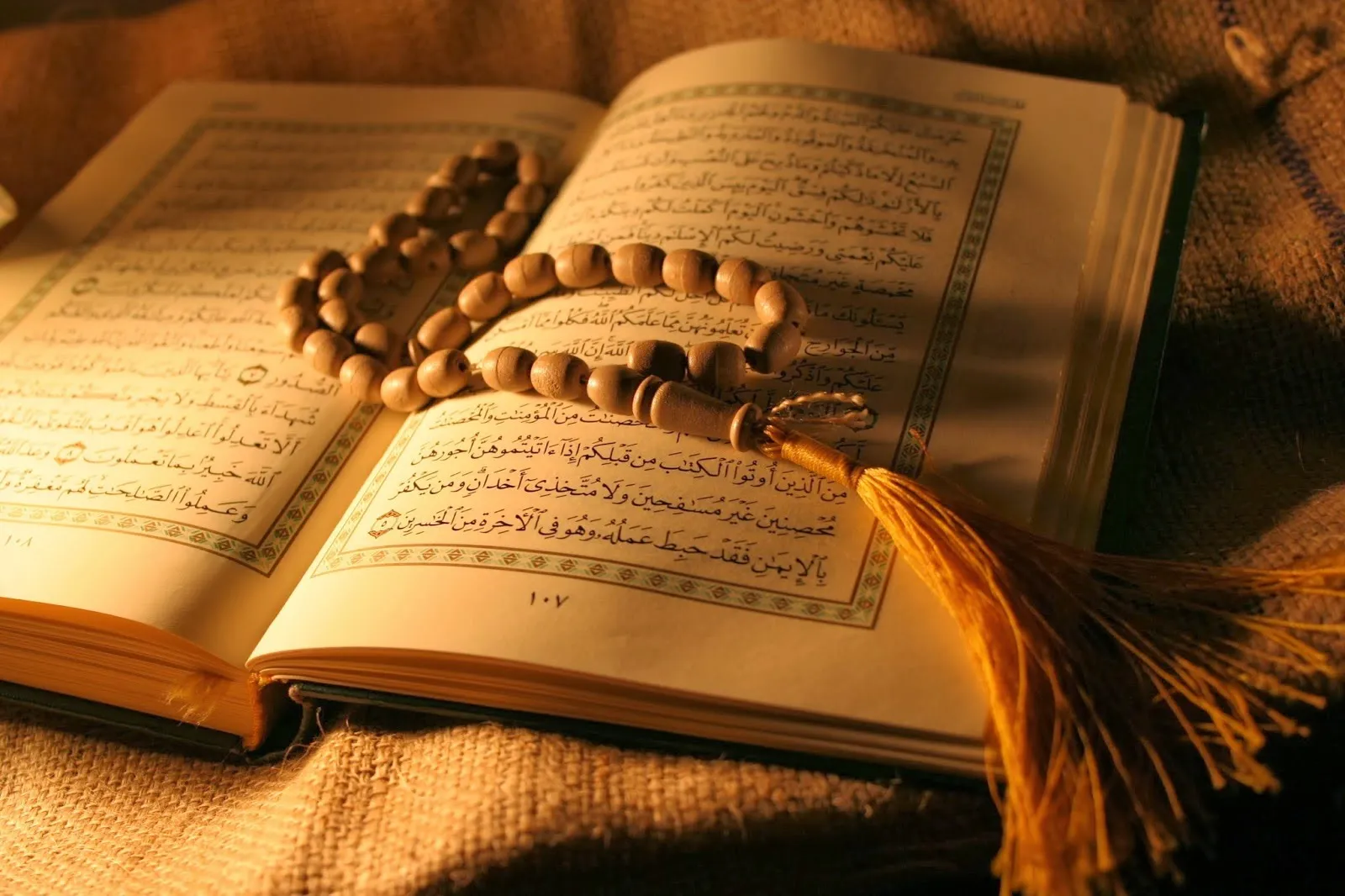
Ruqya healing services in Toronto are transforming how the Muslim community approaches mental health care, bridging the gap between traditional Islamic healing and contemporary therapeutic methods. This powerful spiritual practice offers hope for individuals struggling with anxiety, depression, and spiritual distress while maintaining cultural authenticity and religious values.
As mental health awareness grows across Canada, more people are discovering the profound benefits of combining ruqya healing with modern psychological approaches. This comprehensive guide explores how ancient Islamic wisdom can address today’s mental health challenges, providing a holistic path to emotional and spiritual wellness.
Understanding Ruqya Healing in Islamic Context
Ruqya healing represents one of Islam’s most authentic spiritual practices, rooted in Quranic verses and prophetic traditions. Unlike secular therapy approaches, ruqya addresses the spiritual dimensions of mental health, recognizing that true healing encompasses mind, body, and soul.
The practice involves recitation of specific Quranic verses, prophetic supplications (duas), and seeking Allah’s protection from spiritual and psychological disturbances. Certified ruqya practitioners in Toronto combine deep Islamic knowledge with understanding of mental health principles to provide comprehensive care.
Professional ruqya services go beyond simple recitation, incorporating counseling skills, spiritual assessment, and ongoing support to help patients achieve lasting mental wellness. This approach particularly resonates with Muslim patients seeking treatment that aligns with their faith and cultural values.
Scientific Perspective on Spiritual Healing for Mental Health
Research in psychoneuroimmunology demonstrates that spiritual practices significantly impact mental health outcomes. Studies show that faith-based interventions activate neurological pathways associated with stress reduction, emotional regulation, and psychological resilience.
Ruqya healing services incorporate elements proven beneficial for mental health, including meditation-like states during recitation, community support, and meaning-making processes. These components align with evidence-based therapeutic approaches while maintaining spiritual authenticity.
Canadian mental health professionals increasingly recognize the value of integrating spiritual practices into treatment plans. This recognition validates ruqya’s role in comprehensive mental health care, particularly for patients where faith plays a central role in their identity and coping mechanisms.
Ruqya Healing vs Traditional Therapy: Comprehensive Comparison
Understanding the differences and complementary aspects between ruqya healing and conventional therapy helps patients make informed decisions about their mental health care. Both approaches offer unique benefits that can enhance overall treatment outcomes.
Traditional therapy focuses on psychological mechanisms, behavioral patterns, and cognitive restructuring. Ruqya healing addresses spiritual aspects, seeking divine intervention, and aligning treatment with Islamic principles. When combined, these approaches create a powerful synergy for comprehensive healing.
Many Toronto practitioners now offer integrated services, combining ruqya with evidence-based psychological interventions. This holistic approach acknowledges that mental health challenges often have multiple dimensions requiring diverse therapeutic strategies.
| Aspect | Ruqya Healing | Traditional Therapy |
|---|---|---|
| Foundation | Quranic verses and prophetic traditions | Psychological theories and research |
| Focus Area | Spiritual healing and divine connection | Cognitive and behavioral changes |
| Treatment Method | Recitation, prayer, spiritual cleansing | Talk therapy, behavioral interventions |
| Session Duration | 45-90 minutes with flexible timing | 50-60 minutes structured sessions |
| Cultural Alignment | Deeply aligned with Islamic values | May require cultural adaptation |
Signs You May Benefit from Ruqya Healing Services
Spiritual Distress and Religious Struggles
Individuals experiencing spiritual crisis, religious doubts, or feeling disconnected from their faith often find significant relief through ruqya healing. This spiritual practice helps restore the connection with Allah and provides clarity during periods of religious confusion.
Common signs include feeling spiritually empty, struggling with prayer and worship, experiencing religious guilt, or questioning one’s faith during difficult times. Ruqya practitioners in Toronto are specially trained to address these sensitive spiritual concerns with compassion and understanding.
Anxiety and Depression with Spiritual Components
When anxiety and depression involve spiritual elements such as fear of divine punishment, existential questioning, or feeling abandoned by Allah, ruqya healing provides targeted intervention. The practice addresses both psychological symptoms and underlying spiritual concerns.
Patients often report that ruqya helps them reconnect with divine mercy, find peace through remembrance of Allah, and develop Islamic coping strategies that strengthen their mental resilience while honoring their faith traditions.
Persistent Negative Thoughts and Spiritual Attacks
Islamic tradition recognizes that some mental health challenges may have spiritual dimensions, including waswas (whispers) from shaytan or spiritual disturbances. Ruqya healing specifically addresses these concerns through protective recitations and spiritual cleansing.
Professional practitioners distinguish between psychological conditions requiring medical intervention and spiritual challenges that respond well to ruqya treatment. This discernment ensures patients receive appropriate care for their specific situation.
What to Expect During Your Ruqya Healing Session in Toronto
Initial ruqya sessions begin with comprehensive spiritual and psychological assessment, helping practitioners understand your specific concerns, spiritual background, and mental health history. This thorough evaluation ensures personalized treatment approaches.
During treatment, practitioners recite specific Quranic verses and prophetic supplications while creating a peaceful, sacred atmosphere. Patients often experience deep relaxation, emotional release, and spiritual connection during these sessions.
Professional ruqya services include ongoing support, homework assignments involving daily supplications, lifestyle recommendations aligned with Islamic principles, and regular follow-up sessions to monitor progress and adjust treatment approaches as needed.
Integration with Modern Psychology for Enhanced Results
Leading ruqya practitioners in Toronto increasingly collaborate with licensed psychologists and psychiatrists to provide comprehensive mental health care. This integration ensures patients receive both spiritual healing and evidence-based psychological interventions.
Combined treatment approaches might include ruqya sessions complemented by cognitive-behavioral therapy, mindfulness practices rooted in Islamic meditation, and medication management when necessary. This holistic strategy addresses multiple aspects of mental health challenges.
Research demonstrates that patients receiving integrated spiritual and psychological care often experience faster recovery, better treatment adherence, and more sustained mental health improvements compared to single-approach treatments.
Success Stories from Toronto’s Muslim Community
Community members report remarkable transformations through ruqya healing services, describing renewed faith, improved mental clarity, and enhanced emotional resilience. These success stories highlight the power of culturally appropriate mental health interventions.
Patients frequently share how ruqya helped them overcome panic attacks by strengthening their trust in Allah, manage depression through spiritual connection, and find peace during life transitions by relying on Islamic coping strategies.
Family members also benefit as patients develop healthier relationships, improved communication skills, and stronger spiritual foundations that positively impact their entire household and community connections.
Finding Qualified Ruqya Practitioners in Toronto
Selecting qualified ruqya practitioners requires careful consideration of their Islamic knowledge, mental health training, and professional credentials. Look for practitioners who combine traditional Islamic education with modern understanding of psychological principles.
Reputable practitioners should demonstrate extensive Quranic knowledge, understanding of prophetic traditions, experience with mental health challenges, and commitment to professional ethics. They should also collaborate with mental health professionals when appropriate.
Many qualified practitioners offer initial consultations where potential patients can assess their comfort level, ask questions about treatment approaches, and determine if ruqya healing aligns with their personal needs and spiritual goals.
Frequently Asked Questions About Ruqya Healing Services
Can ruqya healing replace professional mental health treatment?
Ruqya healing complements but doesn’t replace professional mental health care. For serious mental health conditions, ruqya works best when integrated with appropriate psychological or psychiatric treatment. Qualified practitioners will recommend professional mental health services when needed.
How long does ruqya healing take to show results?
Results vary depending on individual circumstances and the nature of spiritual or psychological challenges. Some people experience immediate relief and peace, while others may need several sessions over weeks or months to see significant improvement in their mental health.
Is ruqya healing appropriate for children and adolescents?
Yes, ruqya healing can be adapted for younger patients, with sessions modified for their developmental level and attention span. Parents are typically involved in the treatment process, and practitioners ensure age-appropriate approaches while maintaining therapeutic effectiveness.
What is the difference between ruqya and other Islamic healing practices?
Ruqya specifically involves Quranic recitation and prophetic supplications for healing and protection. While related to other Islamic healing practices like hijama or herbal medicine, ruqya focuses exclusively on spiritual intervention through divine words and prayers.
How do I prepare for my first ruqya healing session?
Prepare by performing wudu (ablution), wearing modest clothing, and coming with an open heart and sincere intention for healing. Avoid eating heavily before sessions, and consider writing down specific concerns or questions you’d like to discuss with the practitioner.
The growing acceptance of integrated mental health approaches validates the importance of ruqya healing within Toronto’s diverse healthcare landscape. Research published on Google Scholar continues to document the benefits of faith-based interventions for mental health outcomes, supporting the scientific validity of spiritual healing practices.
As mental health stigma decreases within Muslim communities, more individuals are discovering the transformative power of combining ruqya with professional psychological care. This trend represents a significant advancement in culturally competent mental health services across Canada.
Begin Your Spiritual Healing Journey with Professional Ruqya Services
Take the first step toward mental wellness and spiritual peace with our certified ruqya practitioners. We offer compassionate, culturally sensitive care that honors your faith while addressing your mental health needs.
Schedule your ruqya healing assessment today and discover how Islamic spiritual therapy can transform your mental health journey. Our experienced practitioners are ready to support you with authentic, professional care.
Contact us through our Ruqya Services page or call (647) 829-6718 to begin your path to spiritual and mental wellness.